
Matcha is the most perishable thing in most kitchens, and it is also the least likely to announce its decline. There is no sour smell, no visible mould, no alarm – just a gradual slide from bright green toward olive, accompanied by a quiet loss of aroma. By the time most people notice, they have quietly decided matcha is not for them.

Nothing here is complicated. Four things damage matcha, and a container only needs to deal with them well to make a measurable difference to how long it stays worth drinking.
Why matcha spoils faster than leaf tea
Whole tea leaves have structure that protects what is inside them. Matcha is stone-ground to a powder roughly the consistency of flour, which means nearly everything that was protected inside the leaf is now exposed to air. Surface area increases enormously, and oxidation happens correspondingly faster.
It also means matcha degrades along three paths at once: colour (chlorophyll breaks down), aroma (volatile compounds escape) and flavour (fresh, grassy sweetness flattens into something closer to hay). You usually notice colour first, which makes it a useful indicator – if the green has dulled, the rest has already gone.
The four enemies, in order of impact
Air. The main one. Oxygen drives both colour loss and flavour flattening, and because the powder is so fine, even brief daily opening adds exposure. Whatever a container claims, what matters is whether it reseals properly every single time.
Light. UV accelerates degradation noticeably. This is the reason opaque bodies are standard for matcha and why clear jars – attractive as they look on a shelf – are a compromise, however convenient the visibility.
Heat. Warmth speeds every reaction above. A cupboard beside the oven or above the kettle is one of the worse placements in a kitchen, and it is also one of the most common.
Humidity. Powder absorbs moisture readily, and damp matcha clumps, resists whisking and can spoil outright. This is what makes the fridge question interesting, covered below.
What to actually look for in a container
An opaque body. Stainless blocks light completely, which is why it suits this job better than clear glass or decorative options. It also tolerates being handled daily.
A real gasket. A full-width food-grade silicone ring rather than thin foam. Silicone stays resilient over thousands of opens; foam compresses and hardens. This is the specification that determines whether “airtight” means anything after six months.
A lid that gets closed properly. Anything requiring two hands or real force will eventually be left loosely fitted. A lid that seats with brief, even pressure is a lid that actually gets sealed – which matters more than the theoretical quality of the seal.
A sensible size. Buy to consume within a couple of months. A smaller container kept genuinely airtight beats a large one with permanent headspace, since the air sitting above the powder is part of what degrades it.
Where to keep it
A cool, dark, dry cupboard away from the oven, the kettle and the window is ideal. Do not store above appliances that generate heat, and do not decant into a clear jar for looks unless the powder will be used within days.
Refrigeration is a genuine option for long-term storage, provided two conditions are met: the container is truly airtight, and it is allowed to come back to room temperature before opening. Opening a cold canister in humid air condenses moisture directly into the powder – which is how clumped, spoilt matcha happens. Fridge yes, cold-opening no.
Daily habits that matter more than the box
Small actions compound here. Open the canister only when needed, and close it immediately – leaving it open while you boil water exposes more than people assume. Use a dry scoop every time: introducing even trace moisture from a wet spoon introduces damp into powder that will sit there for weeks. Keep it away from strongly aromatic spices while open, because fine powder picks up smells readily.
And keep the original packaging information. Storage extends quality; it does not reset anything, so knowing roughly how long something has been open is genuinely useful.
How to tell when it has gone
Colour is the most honest indicator. Bright, almost luminous green means good condition. A dull olive, khaki or yellowish tone means significant degradation. Smell comes next – fresh matcha is grassy and slightly sweet; tired matcha smells faintly of hay or nothing much at all. If it has clumped into hard lumps or smells off, stop.
Taste is the least reliable guide for casual drinkers, because it adapts gradually. Comparing against a fresh batch side by side reveals differences that memory will not – same principle as tasting coffees side by side.
Frequently asked questions
How long does matcha keep after opening?
Best within roughly six to eight weeks of opening if stored well, though it remains drinkable for longer. Sealed and unopened it keeps considerably longer – but always judge by colour and aroma rather than the date alone.
Can I keep matcha in the fridge?
Yes, and it helps for long-term storage – provided the container is genuinely airtight and you let it reach room temperature before opening. Condensation from cold air is exactly the moisture problem you are trying to avoid.
Does the type of container really matter?
More than almost anything else in preparation. Opaque, airtight and coolly stored matcha can stay bright for months; the same powder in a clear jar beside the stove dulls within weeks.
Keeping matcha green at home


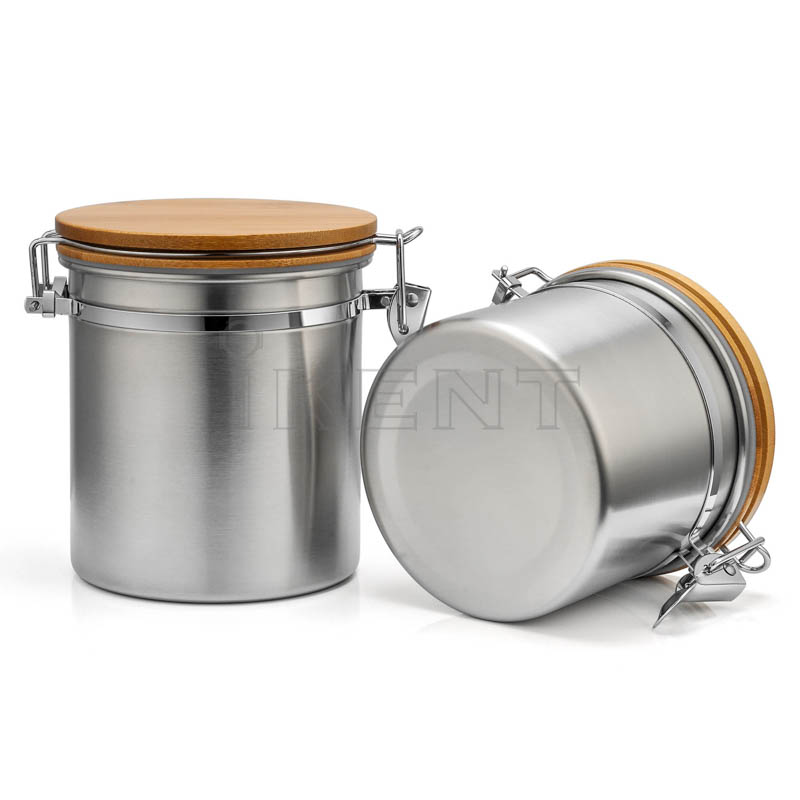
Browse the full Ikentcoffee Canister Container Coffee Bean Stainless Steel range for sizes, finishes and OEM options.
Let’s Build Something Together
The coffee world keeps demanding quality, functional accessories. Partner with iKentcoffee to offer tools that perform and represent your brand proudly. From manual coffee grinders, espresso tampers and coffee canisters to milk pitchers and full coffee sets — we provide OEM & ODM solutions with low MOQ and stable supply.
👉 Contact us today to discuss wholesale, customization, or to request a sample.
💭 Jiangmen Aika Houseware Co., LTD
💭 Jiangmen Zhenhua Hardware & Plastic Factory
We look forward to the opportunity to collaborate with you!
WhatsApp: +86 13426845305
E-mail: kaelyn@ikentcoffee.com
Website: www.ikentcoffee.com

Leave A Comment