
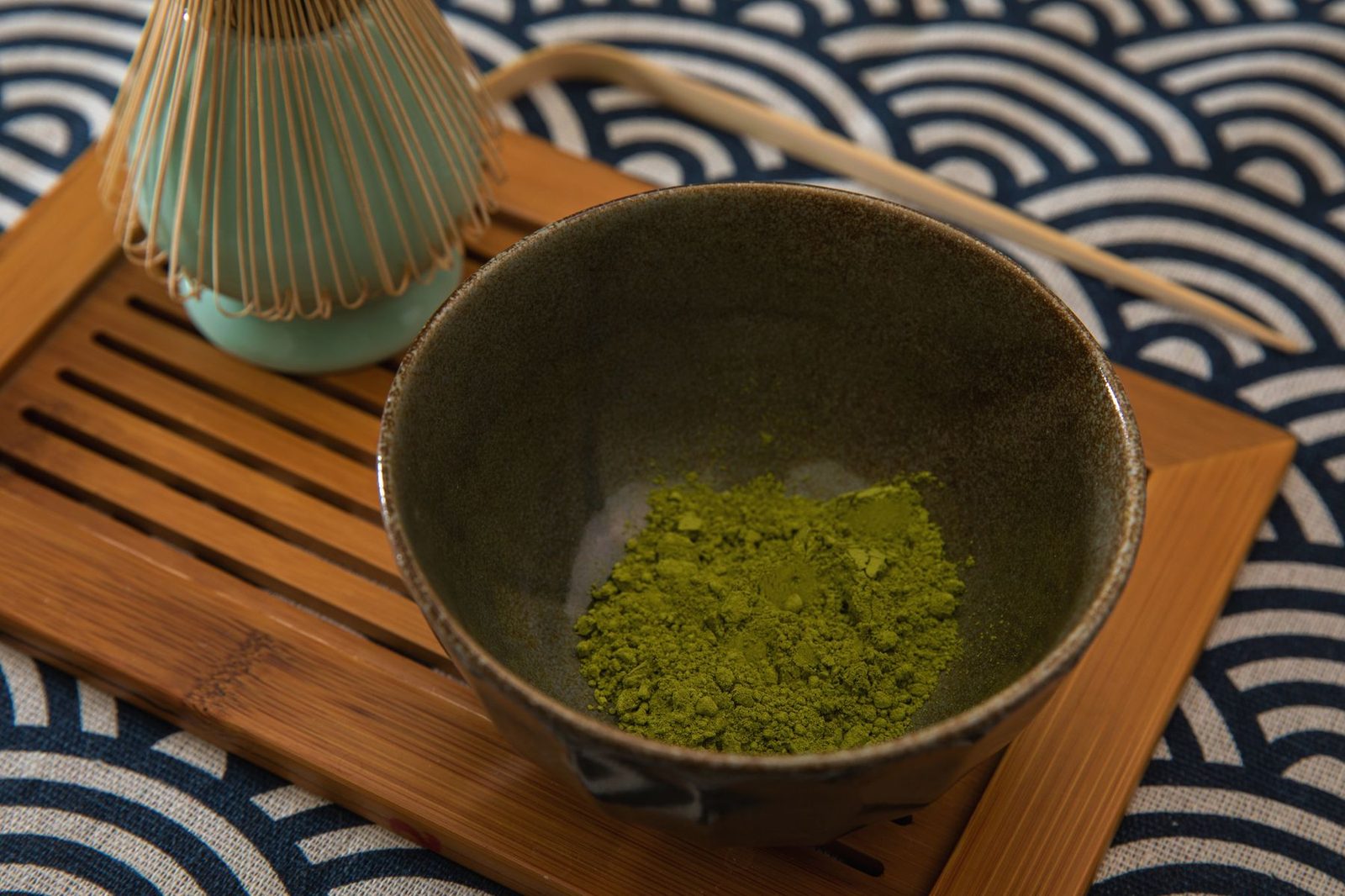
A proper matcha set is four pieces: a bamboo whisk (chasen), a matcha bowl (chawan), a bamboo scoop (chashaku), and an airtight stainless steel canister to keep the powder fresh. A small sieve and a whisk holder are useful extras, but the first four are what make daily preparation possible. If you are building sets for a shop or a brand, that core four – plus a stainless steel container – is where you start.

Matcha has outgrown the tea ceremony. It now sits in cafe menus, wellness aisles and subscription boxes, and most of the people buying it are first-timers. That is exactly why sets matter: a newcomer rarely knows which pieces they need, and a well-assembled set answers the question before it is asked. This guide walks through each piece, why it earns its place, and what wholesale buyers should check before committing to a set design.
Why sets sell better than single pieces
Someone curious about matcha faces a wall of choices: dozens of whisks, bowls in every glaze, scoops in three lengths. Every extra decision is a chance to abandon the purchase. A set collapses all of that into one yes-or-no moment – everything you need, in one box, at one price.
Sets also photograph better. A bowl alone is a product; a bowl, whisk and stainless steel canister arranged together is a lifestyle. For e-commerce and social feeds, that difference drives clicks. And at gifting seasons – Christmas, Mother’s Day, the January wellness reset – a boxed set is the default choice for anyone buying for a matcha drinker they half-know.
The core four pieces
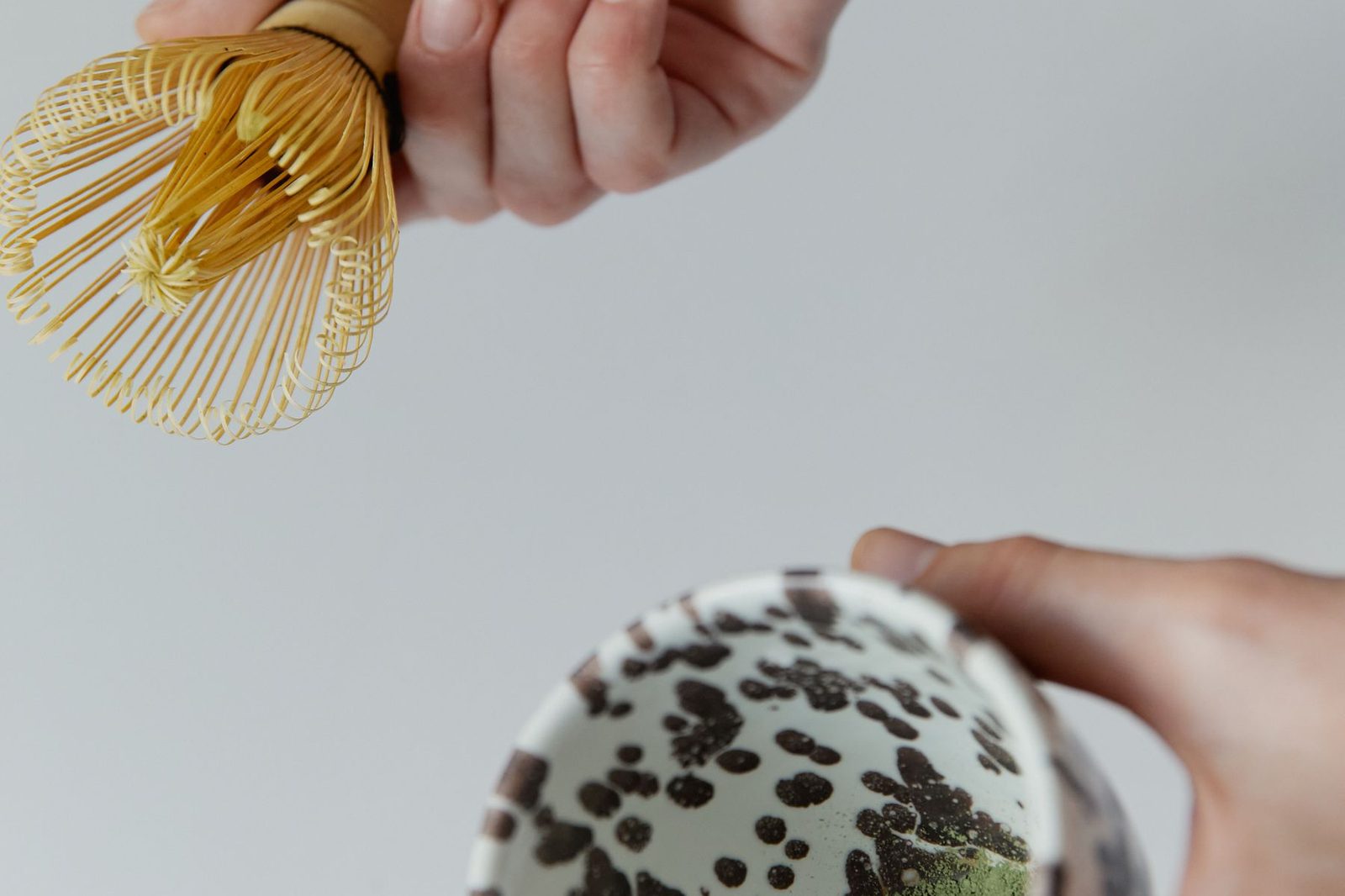
- The whisk (chasen). The only tool that consistently produces the fine, clump-free foam matcha is known for. Bamboo, cut from a single piece, with 80 to 120 prongs. More prongs mean finer foam but a more fragile whisk – a trade-off worth explaining on the packaging rather than hiding.
- The bowl (chawan). Wide enough to whisk freely, heavy enough to stay put, with walls that keep the tea warm through a two-minute preparation. Stoneware and porcelain dominate; the glaze is where a brand gets to show personality.
- The scoop (chashaku). A curved bamboo scoop that doses roughly two grams of powder per serving. It looks like the simplest piece in the set and is the easiest to get wrong – rough edges or a splinter-prone finish will show up in reviews quickly.
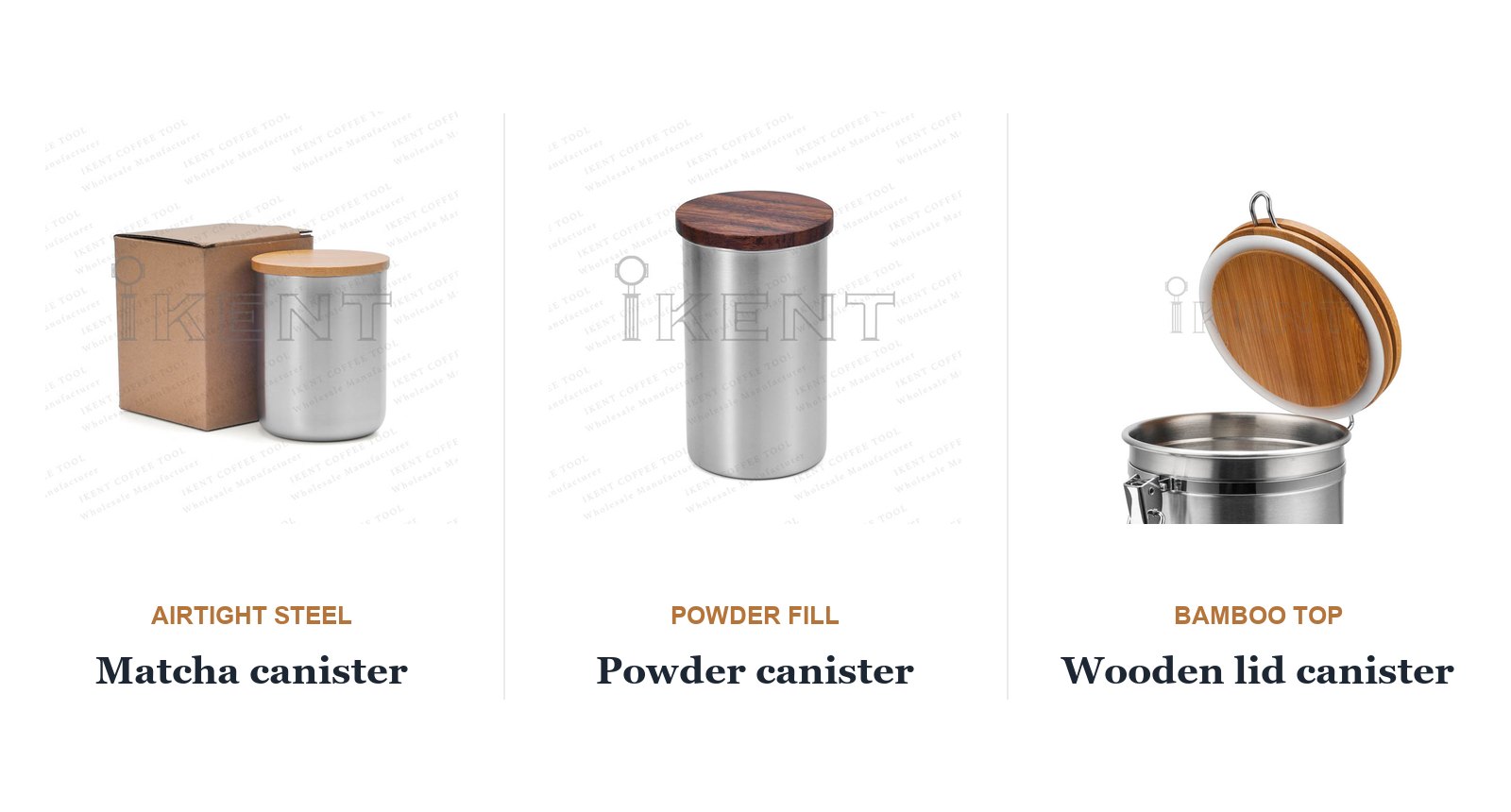
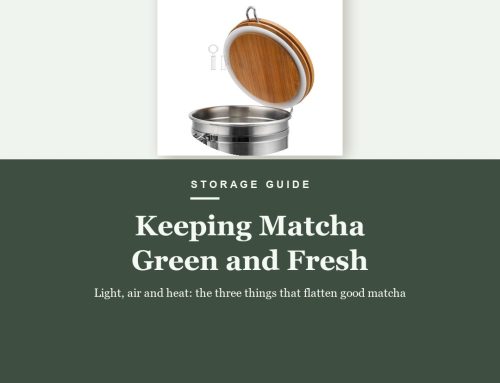
- The stainless steel canister. The piece most sets forget, and the one with the most commercial upside. Matcha is more fragile than loose-leaf tea: light and air flatten its colour and flavour within weeks. A stainless steel canister with a proper airtight lid protects the customer’s experience – and gives the brand a second branded surface in daily use.
Useful extras – and where to stop
A small stainless sieve saves beginners from clumpy tea, and a ceramic whisk holder extends the life of the chasen by keeping its shape between uses. Both are cheap, flat and genuinely useful, so they earn their spot in mid-range and gift sets. Beyond that, sets tend to bloat: a cloth nobody washes, a spoon that duplicates the scoop. Every extra piece adds cost, packaging volume and one more thing to break in transit. The discipline of “does the customer use this weekly?” keeps sets lean.
The canister is the quiet commercial anchor
Here is the pattern we see across our wholesale customers: the set sells once, but the canister brings the customer back. Matcha drinkers go through 30 to 50 grams a month, so a 100-gram container empties in two to three months. If the canister is airtight, nicely finished and printable, it becomes the natural refill container – and the brand that printed it stays on the customer’s counter.
That is why we recommend treating the canister as a product line, not a set filler. Choosing the right matcha canister deserves as much attention as the whisk itself – seal quality, light protection and a lid that opens smoothly with one hand all show up in reviews within the first month of use.
What wholesale buyers usually ask us
Three questions come up in almost every set enquiry. First, materials and food safety: bamboo should be finished without lacquers that flake, and any metal container in the set needs a food-safe stainless interior – this is a compliance question, not a preference. Second, customisation: which pieces can carry a logo, and by which process (laser engraving on bamboo, printing or embossing on stainless steel). Third, packaging: whether the set ships in retail-ready packaging or needs a gift box designed around it. All three are answerable early, and the answers shape the cost more than the pieces themselves.
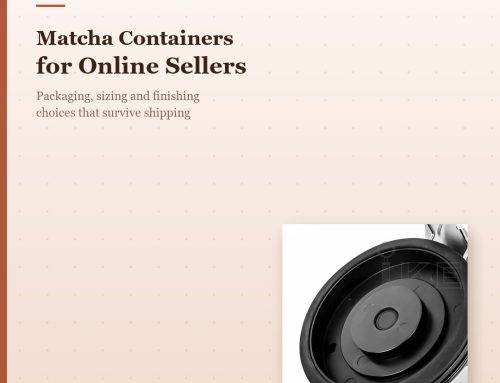
If you are weighing storage options for a matcha range, our overview of matcha storage containers for e-commerce covers the logistics side – drop tests, filler choices and what survives courier networks.
Frequently asked questions
How many pieces should an entry-level set have?
Four: whisk, bowl, scoop and a stainless steel canister. That covers everything a beginner needs for daily preparation. Sieve and whisk holder belong in mid-range or gift editions.
Can the pieces be mixed and matched across price tiers?
Yes, and it is the standard approach. A better glaze on the bowl or a higher-capacity canister can turn the same core set into a premium version without redesigning the whole box.
What is the most common quality complaint with matcha sets?
Whisk durability – prongs that split after a few weeks. Sourcing bamboo whisks with consistent cutting and a sensible prong count matters more than any other single component decision.
Matcha storage in stainless steel
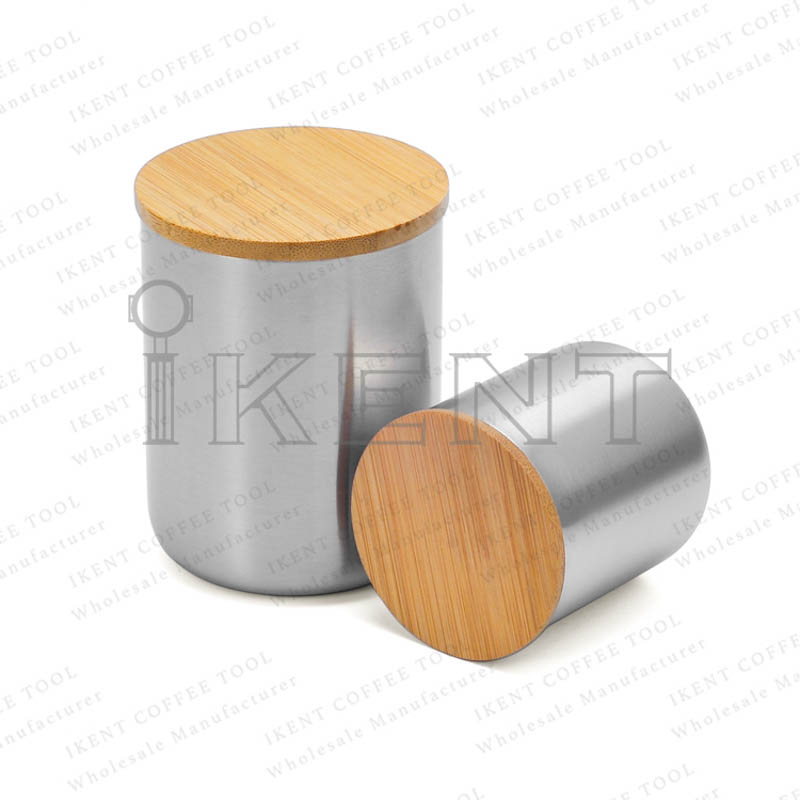
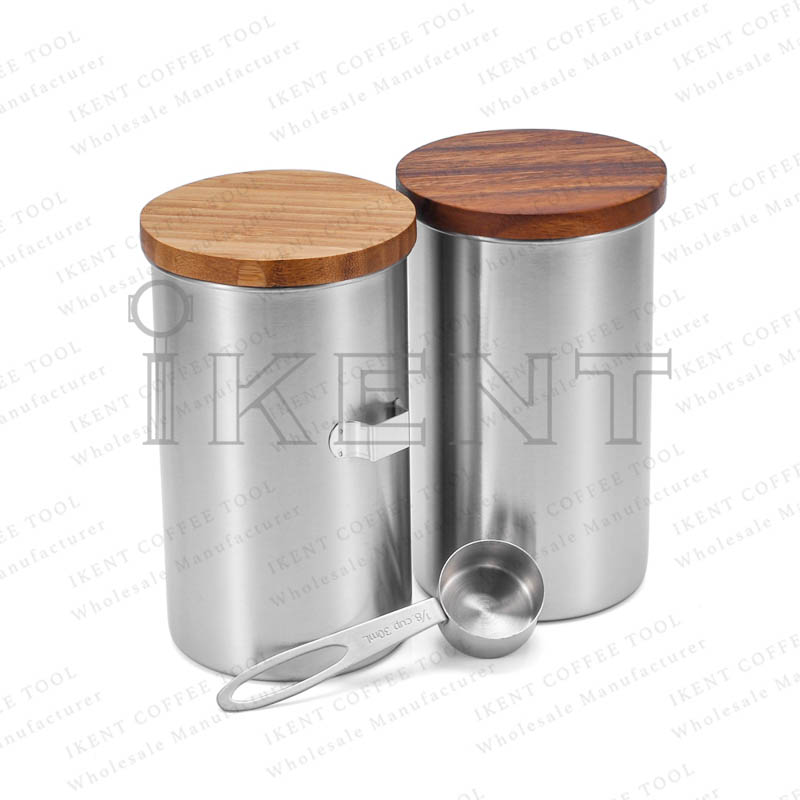
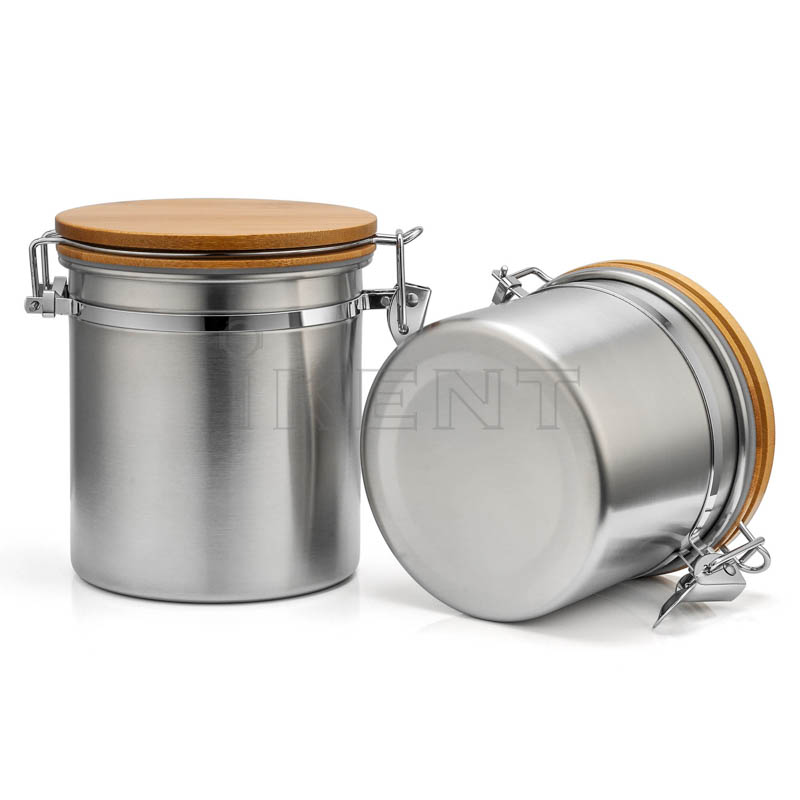
Browse the full Ikentcoffee Canister Container Coffee Bean Stainless Steel range for sizes, finishes and OEM options.
Let’s Build Something Together
The coffee world keeps demanding quality, functional accessories. Partner with iKentcoffee to offer tools that perform and represent your brand proudly. From manual coffee grinders, espresso tampers and coffee canisters to milk pitchers and full coffee sets — we provide OEM & ODM solutions with low MOQ and stable supply.
👉 Contact us today to discuss wholesale, customization, or to request a sample.
💭 Jiangmen Aika Houseware Co., LTD
💭 Jiangmen Zhenhua Hardware & Plastic Factory
We look forward to the opportunity to collaborate with you!
WhatsApp: +86 13426845305
E-mail: kaelyn@ikentcoffee.com
Website: www.ikentcoffee.com
Leave A Comment