
How to Choose the Best Matcha Canister for Home Storage
Matcha is far more sensitive than most people realize. Unlike loose-leaf tea or coffee beans, matcha powder has a much larger surface area exposed to air, which makes it highly vulnerable to oxidation, moisture, light, and odor contamination. Studies in food storage and tea preservation show that finely ground powders can lose noticeable aroma and flavor within 2–4 weeks if stored improperly at room conditions. For households that value both quality and consistency, choosing the right matcha canister is not optional—it is essential.
1. Why You Need a Matcha Canister for Home Storage
Many home users still store matcha in its original packaging, often a paper bag or thin tin. While this may work short term, it rarely provides sufficient protection once opened. Household environments—especially kitchens—typically have humidity levels ranging from 50% to 70%, which is enough to cause clumping and flavor degradation in matcha powder.
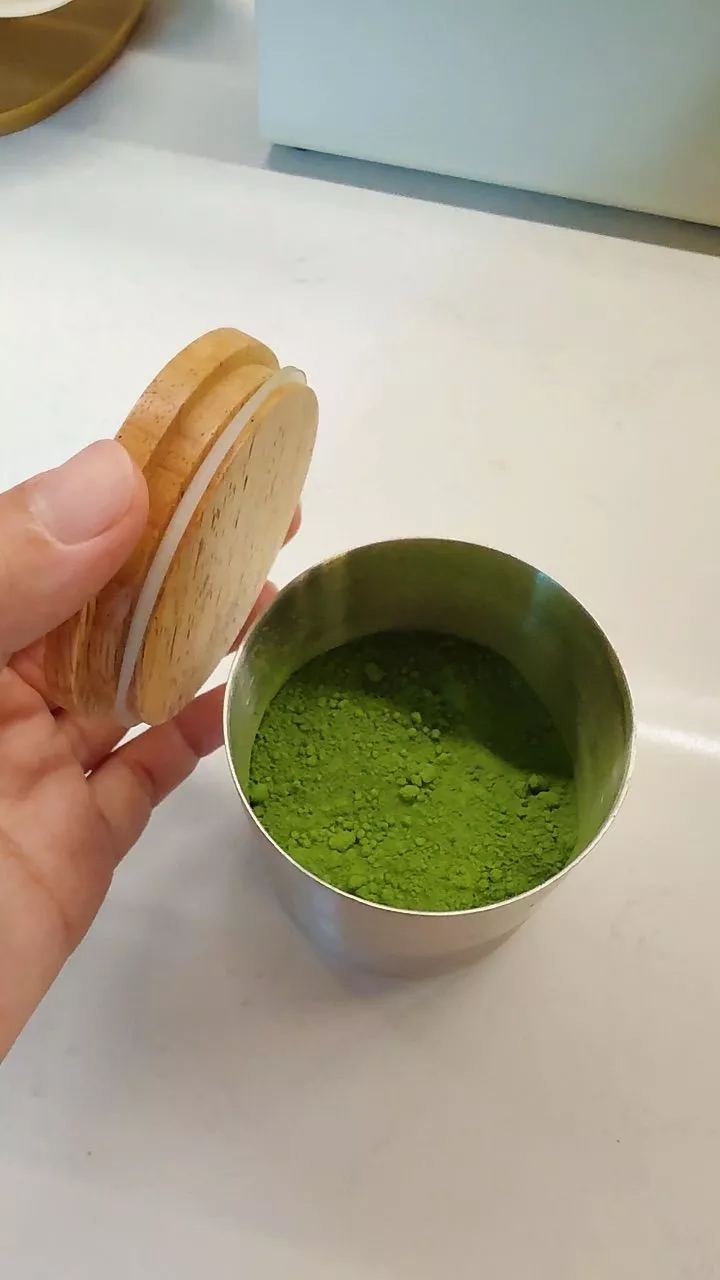
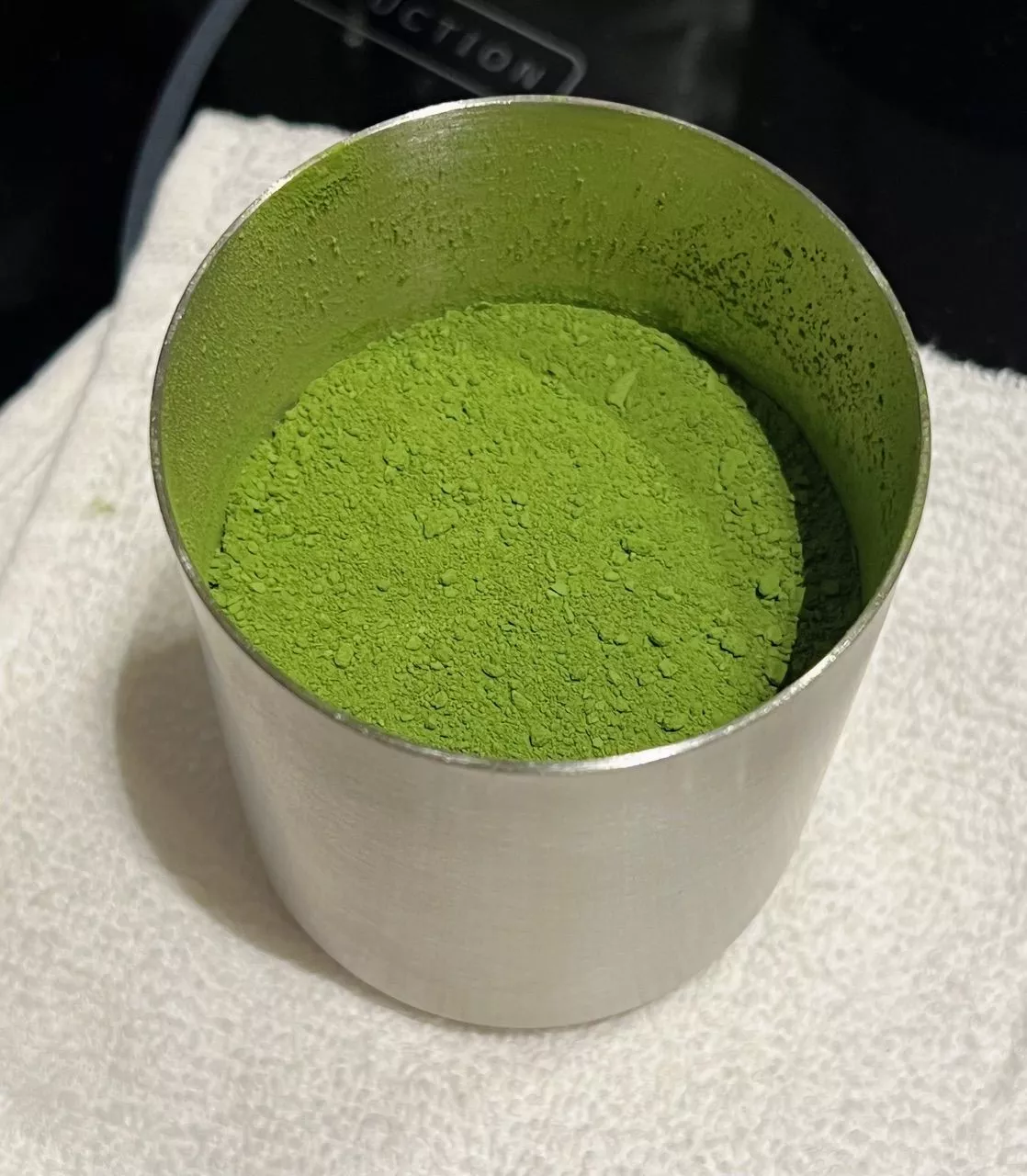
A dedicated matcha canister creates a controlled micro-environment. By limiting air exposure and sealing out moisture, it helps maintain the powder’s color, aroma, and taste. For users who refrigerate matcha, the canister becomes even more critical, as refrigerators introduce both condensation risk and cross-odor contamination.
2. Key Features to Look for in a Matcha Canister
Not all canisters are designed equally. When selecting one for home use, several features directly impact performance:
- Airtight sealing system: A high-quality seal can reduce oxygen exposure significantly, slowing down oxidation.
- Food-grade materials: Ensures no chemical interaction with the powder.
- Compact size: Smaller volumes reduce repeated air exchange when opening.
- Ease of use: A canister that opens and closes smoothly encourages proper daily use.
According to packaging research, reducing oxygen inside a container can extend the perceived freshness of powdered products by 30%–50%, depending on storage conditions. This highlights why structural design matters more than appearance.
3. Stainless Steel vs Other Materials for Matcha Canisters
Material selection is one of the most overlooked factors in home storage. Common options include plastic, glass, ceramic, and stainless steel.
- Plastic: Lightweight and affordable, but may absorb odors over time and offers limited barrier protection.
- Glass: Non-reactive but allows light exposure unless stored in dark conditions.
- Ceramic: Aesthetic but often lacks advanced sealing mechanisms.
- Stainless steel: Durable, non-porous, and resistant to both moisture and odor absorption.
From a functional perspective, stainless steel provides a balanced solution. Its non-porous surface prevents flavor contamination, while its structural strength supports more reliable sealing systems. For users storing matcha in refrigerators, this becomes especially important, as stainless steel helps isolate the contents from strong food odors such as garlic or dairy.
4. How Airtight Design Affects Matcha Freshness
Airtight performance is the defining feature of any effective matcha canister. Matcha’s exposure to oxygen triggers oxidation, which gradually dulls its vibrant green color and reduces its umami profile.
Even minimal air exchange can have cumulative effects. For example, opening a poorly sealed container twice daily can introduce enough oxygen to noticeably impact flavor within a few weeks. In contrast, a well-designed airtight canister minimizes this exchange, preserving both taste and aroma for a longer period.
Additionally, airtight systems play a crucial role in moisture control. Matcha powder begins to clump when exposed to relative humidity levels above 60%, which is common in many households. A secure seal prevents this issue, ensuring a smooth, consistent texture.
5. Tips for Storing Matcha in a Canister at Home
Choosing the right canister is only part of the equation—how it is used also matters. Here are several practical guidelines:
- Store in small batches: Avoid opening large quantities repeatedly.
- Keep away from light: Even with a canister, direct sunlight should be avoided.
- Use refrigeration carefully: If storing in the fridge, ensure the canister is fully sealed before placing it inside.
- Allow temperature adjustment: After removing from the fridge, let the canister sit unopened for a few minutes to prevent condensation.
- Clean regularly: Residual powder can affect freshness over time.
Industry recommendations suggest that properly stored matcha can retain its optimal flavor profile for up to 6–8 weeks after opening, compared to significantly shorter periods under poor storage conditions.
Conclusion
Selecting the best matcha canister for home storage ultimately comes down to controlling environmental factors—air, moisture, light, and odor. While many containers may appear suitable, only those with strong airtight performance and appropriate materials truly protect matcha’s delicate qualities. For home users seeking consistent taste and quality, investing in a well-designed canister is a practical and necessary step.
For businesses looking to develop their own matcha storage solutions, choosing the right canister design can also support branding and product value.


Let’s Build Something Together
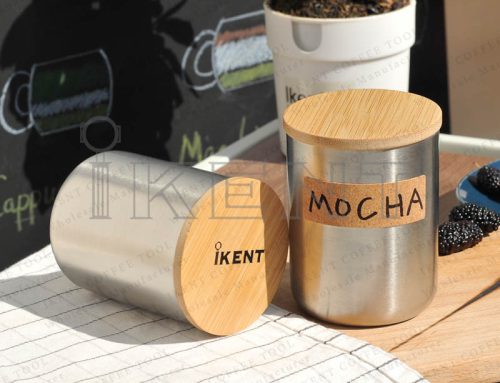
The coffee world and the demand for quality, functional accessories. Partner with iKentcoffee to offer tools that perform and represent your brand proudly. If you are looking for customizable matcha canisters for your brand, we provide OEM & ODM solutions with low MOQ and stable supply.
👉 Contact us today to discuss wholesale, customization, or to request a sample.
💯Jiangmen Aika Houseware Co., LTD
💯Jiangmen Zhenhua Hardware & Plastic Factory
We look forward to the opportunity to collaborate with you!
Whatsapp:+86 13426845305
E-mail: kaelyn@ikentcoffee.com
Website: www.ikentcoffee.com


Leave A Comment