
A coffee grinder is the one tool in the chain that gets dirtier the better it works. Every grind leaves oils and fine particles packed around the burrs, and those leftovers go rancid. If a morning cup has started tasting flat or slightly stale even with fresh beans, the grinder is almost always the reason – not the beans, and not the brewer.

The good news: keeping a hand grinder clean takes about five minutes a month, plus a few seconds after most grinds. The bad news is that the single most instinctive cleaning method – rinsing it under the tap – is the fastest way to ruin it.
The five-second routine after each grind
Tap out what you can. With the catch cup removed and the lid off, hold the grinder upside down over a bin and give the body a couple of firm taps. Most loose grounds fall straight out, and that alone removes the bulk of what would otherwise sit in the threads and eventually migrate back up into the burr chamber.
Then close it and give it a short grind “empty” – a few turns with nothing loaded pushes remaining particles through the burrs rather than leaving them wedged in the cutting surfaces. Both steps take seconds and together remove the majority of daily residue.
Why water is the wrong answer
Steel burrs and the threads around them are machined to tight tolerances. Water sitting in those threads causes corrosion on a surface you cannot see, and moisture makes fine coffee dust cake into a paste that packing brushes into every gap. Once that happens, cleaning gets harder rather than easier – which is the opposite of what anyone wants from cleaning.
There is a second reason. Coffee oils are not water-soluble in the way people expect, so a rinse does not remove them; it moves them around and then leaves water behind. A dry brush or a soft cloth handles oils far better than a tap does.
The monthly deep clean
Once a month – or whenever you switch between beans of very different roasts – take grinder apart as far as it goes. For most hand grinders that means removing the top nut, lifting out the handle, pulling the upper burr out of its housing and lifting the lower burr from the shaft.
Work in this order and nothing gets lost:
Brush, do not blow. A stiff dry brush removes packed fines from both burrs; a small soft brush clears the threads on the adjustment collar. Blowing just relocates dust into the mechanism.
Wipe the chamber with a barely damp cloth, then dry it immediately. Anything wooden – a lid, a knob – gets wiped, never soaked.
Inspect while it is apart. Check the burrs for any flat spots or damage, feel whether the shaft still sits true, and look for caked dust in the adjustment thread. Anything that looks off is much cheaper to notice now than after it changes the grind.
Pay particular attention to the thread, because that is where most long-term complaints start. A thread packed with old fines stops adjusting smoothly, and customers read that as “the adjustment is loose” when it is really just dirt.
Using grinder cleaning tablets or rice – with caveats
Both get suggested constantly. Cleaning tablets (the food-safe kind sold for grinders) are genuinely useful: they are designed to absorb oils and knock loose fines without leaving much behind. Grind a dose, discard it, then grind a small amount of beans and throw those out too, so nobody drinks the residue.
Rice is a folk remedy that works mechanically but has critics for a reason – grains are harder than roasted beans and put wear on burrs. If a customer asks, the honest answer is that a brush gets there without the trade-off.
What not to use
No dish soap and no dishwasher, both of which leave residues that flavour the next grind or corrode metal. No compressed air pointed into the burrs, which drives fines deeper. No washing of the wooden parts, which will swell and crack. And no perfumed cleaners or citrus-scented anything near the burr set – citrus oils are exactly the kind of stubborn, rancid-prone residue this whole routine exists to prevent.
Keeping it clean from the start
Two habits prevent almost everything. Buy whole beans and grind to order – pre-ground bypasses the whole issue but loses freshness far faster, which is why our notes on whole bean versus ground coffee and storing the rest in an airtight canister both sit upstream of this article. And store the grinder dry, cap on, in a cupboard rather than next to the kettle – steam is the environment that ages a grinder fastest.
If the grinder is going into a range as a private-label product, this is worth putting in the leaflet. A tool that is cared for generates far fewer complaints, and the difference between cared-for and neglected is mostly this page.
Frequently asked questions
How often should a hand grinder be cleaned?
A quick tap-out after every grind, a brush-through weekly if it gets daily use, and a full strip-down monthly. Switch between very different roasts and it is worth doing the deep clean at the changeover rather than waiting for the calendar.
My coffee started tasting stale even with fresh beans – why?
Almost always old oils on the burrs. Do a full strip and brush; if the taste comes back refreshed, it confirms it. Water washing will not fix this and will likely make the mechanical feel worse.
Can the burrs be washed if they are stainless steel?
They can be rinsed if you dry them completely and immediately – but there is rarely a reason to. Everything that needs removing comes off with a dry brush, and every wash adds a corrosion risk in threads you cannot inspect afterwards.
Grinders that come apart easily
 Manual Coffee Grinder-CGD003
- Manual Coffee Grinder-CGD011B
- CGD008 Manual Coffee Grinder – 5-Axis CNC Stainless Steel Conical Burr
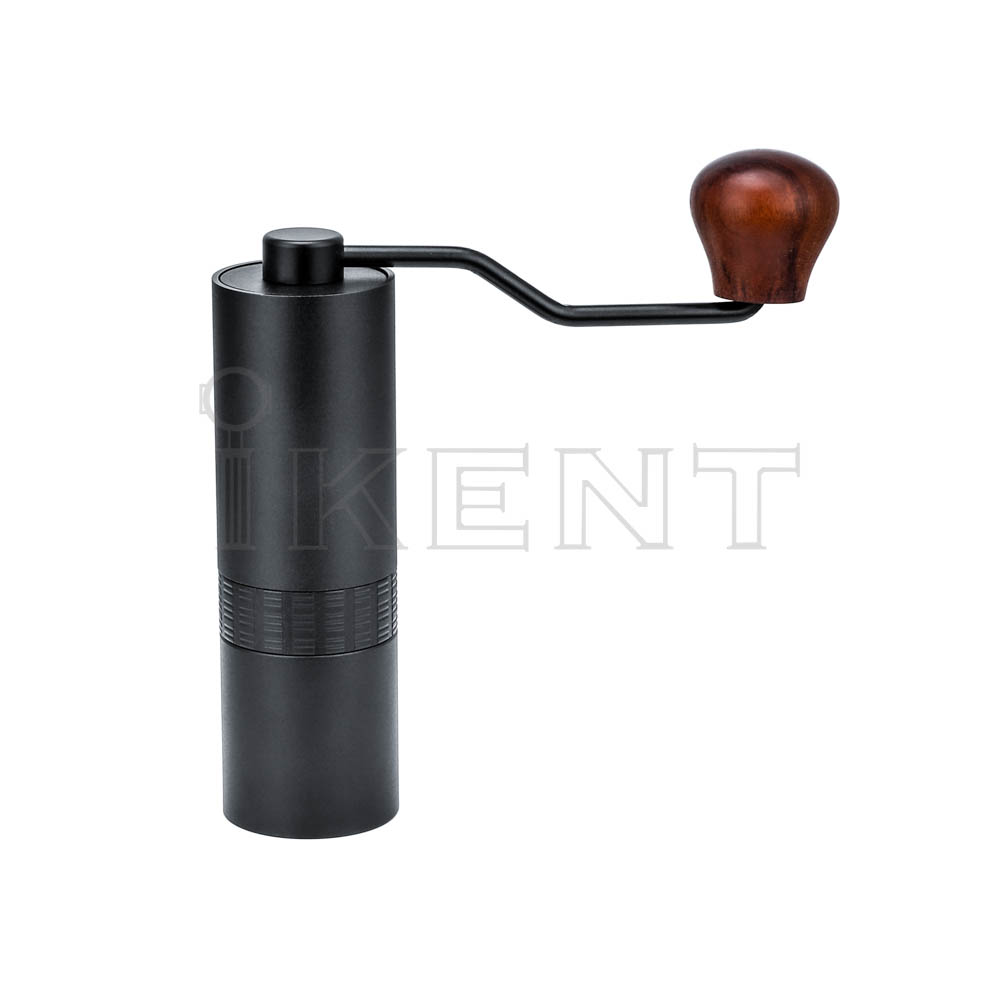
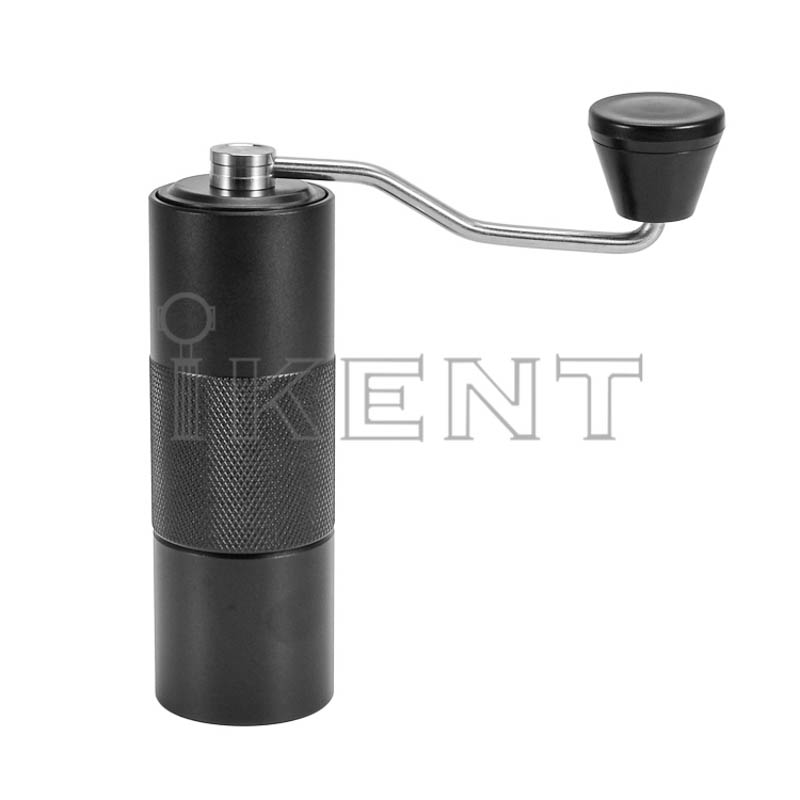
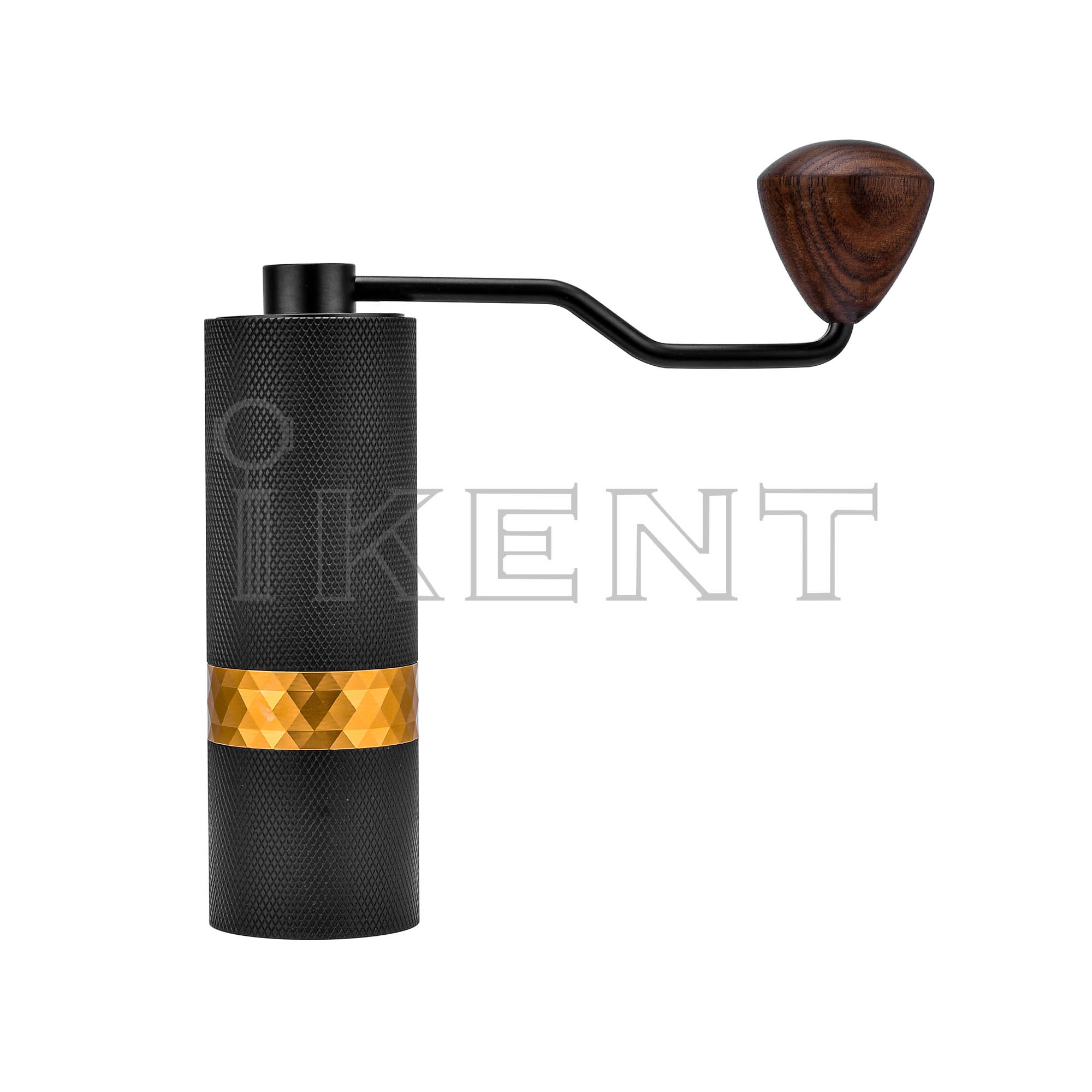
Browse the full Ikentcoffee Manual Hand Coffee Grinder range for sizes, finishes and OEM options.
Let’s Build Something Together
The coffee world keeps demanding quality, functional accessories. Partner with iKentcoffee to offer tools that perform and represent your brand proudly. From manual coffee grinders, espresso tampers and coffee canisters to milk pitchers and full coffee sets — we provide OEM & ODM solutions with low MOQ and stable supply.
👉 Contact us today to discuss wholesale, customization, or to request a sample.
💭 Jiangmen Aika Houseware Co., LTD
💭 Jiangmen Zhenhua Hardware & Plastic Factory
We look forward to the opportunity to collaborate with you!
WhatsApp: +86 13426845305
E-mail: kaelyn@ikentcoffee.com
Website: www.ikentcoffee.com

Leave A Comment