
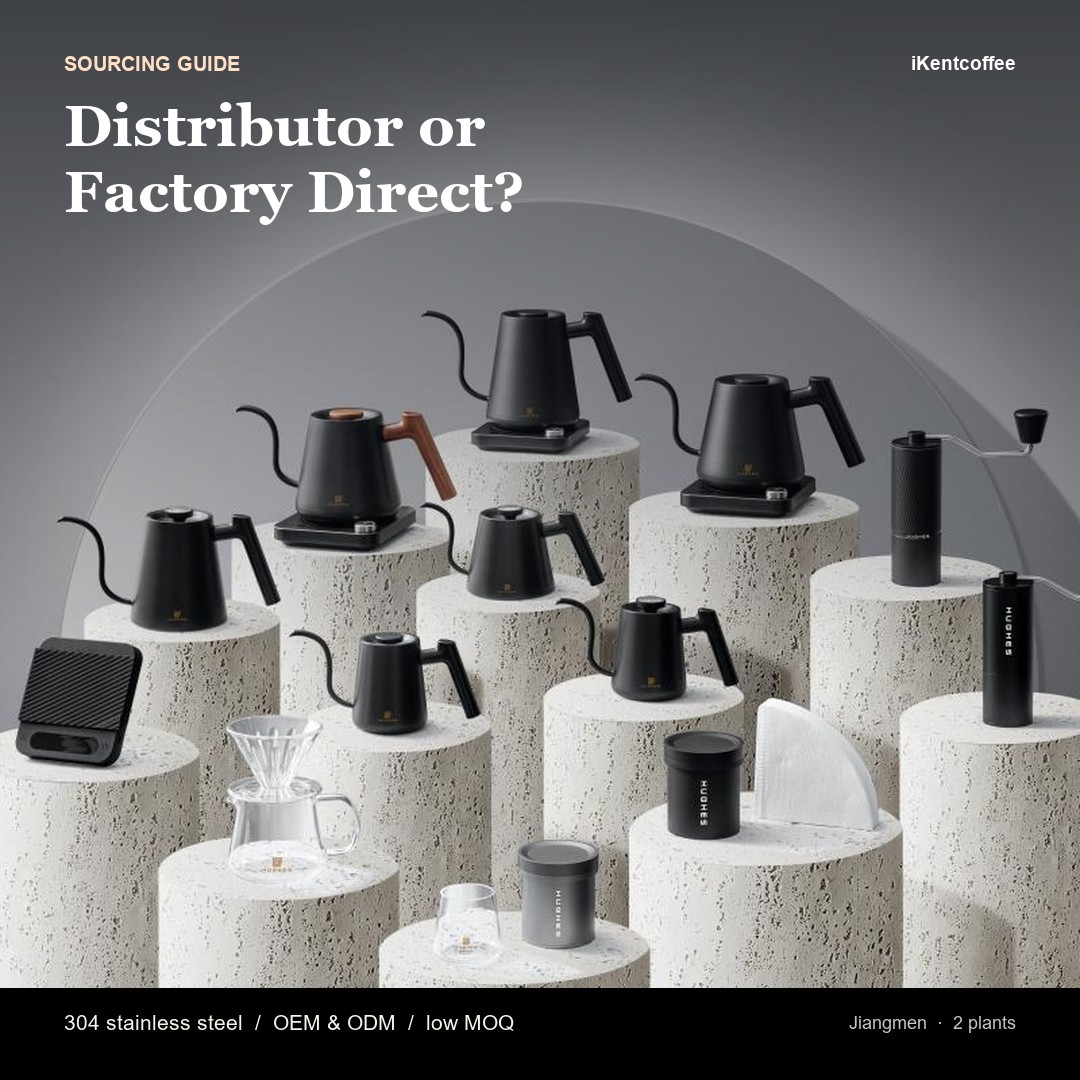
Choosing between a coffee equipment distributor and a factory comes down to one question: do you need stock and speed, or a product built to your specification? A distributor buys finished goods and resells them, so you get fast delivery from a local warehouse but limited control over the finish, logo or packaging. Going direct to a factory means the size, material, finish and branding are made for you, with a shorter list of fixed options and a longer lead time. iKent is a Jiangmen factory with two plants and 15 years in coffee tools; this guide explains the trade-off in plain terms so you can tell which route fits your order.
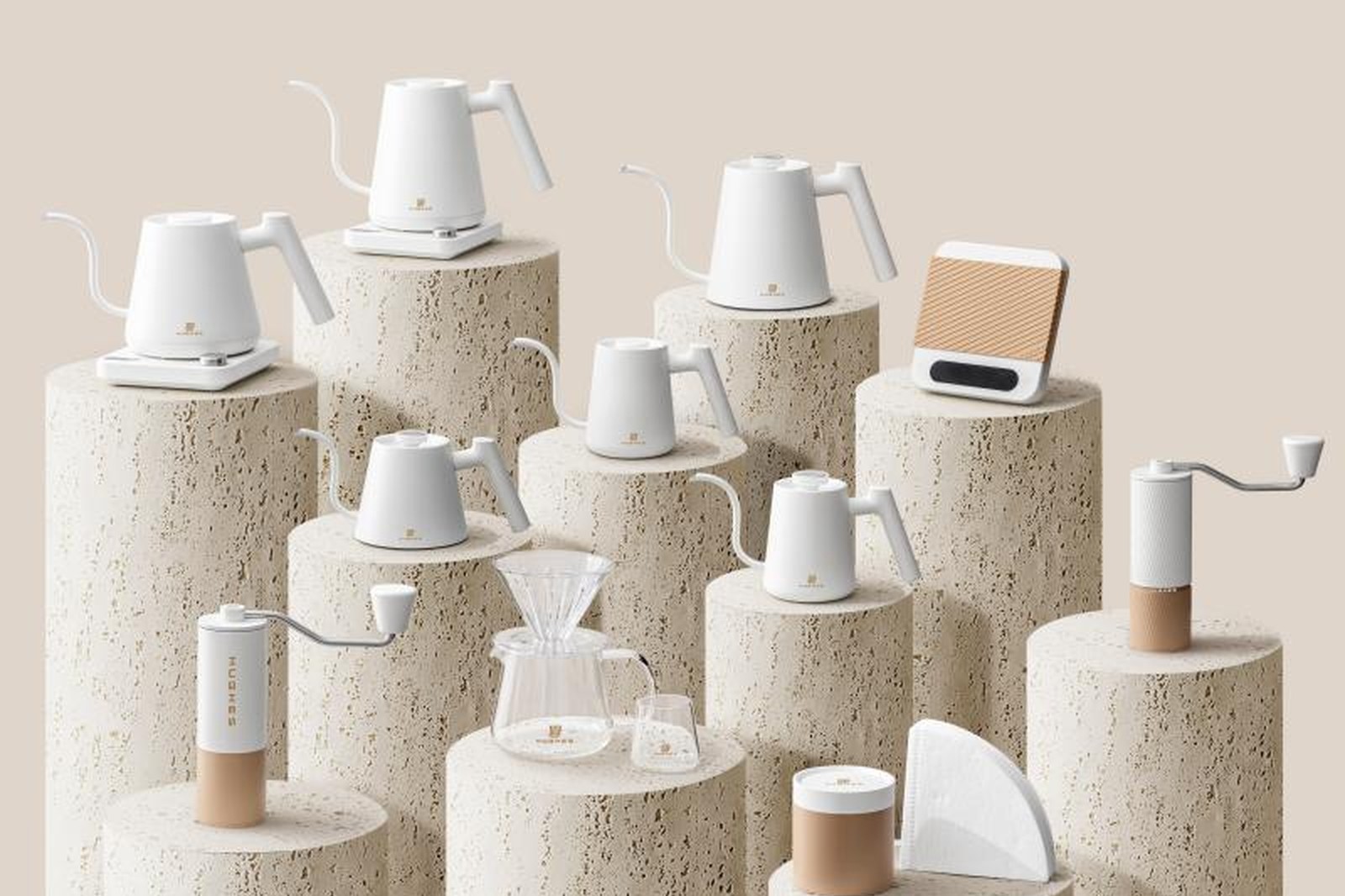
What does a coffee equipment distributor actually do?
A distributor buys finished products from one or more factories, holds them in a warehouse and sells them on to cafés, retailers and online sellers. The value is stock and speed: the goods already exist, so a distributor can ship this week rather than waiting out a 30-day production run. Selection is broad because one distributor may carry dozens of brands and price points under one roof.
The limit is control. A distributor can only sell the specification the factory already made. If you want a 58 mm tamper in a matt finish with your own logo and a printed retail box, the distributor either has that exact combination in stock or it does not exist for you. You are also one step removed from the people who can change the tooling, which matters when a dimension or a finish is wrong. For a standard item needed quickly, that trade-off is fine. For a private-label range, it is the wrong structure.
When does buying from a distributor make sense?
Buy through a distributor when the item is a standard SKU, the quantity is small and the delivery date is close. A café replacing a cracked milk jug or a retailer topping up a fast-moving tamper does not need a production run – it needs the right part on a shelf. Distributors also earn their margin on the hard logistics: breaking a container into cartons, holding local stock and handling returns.
Three situations favour the distributor route: mixed baskets, where one invoice covers ten products in modest quantities; urgent replacement stock where a 30-day production window is too long; and low-commitment testing before you commit to a branded run. The cost of that convenience is margin on every unit and a hard ceiling at the catalogue. Once a product is proven and you want your name on it, the economics favour going direct.
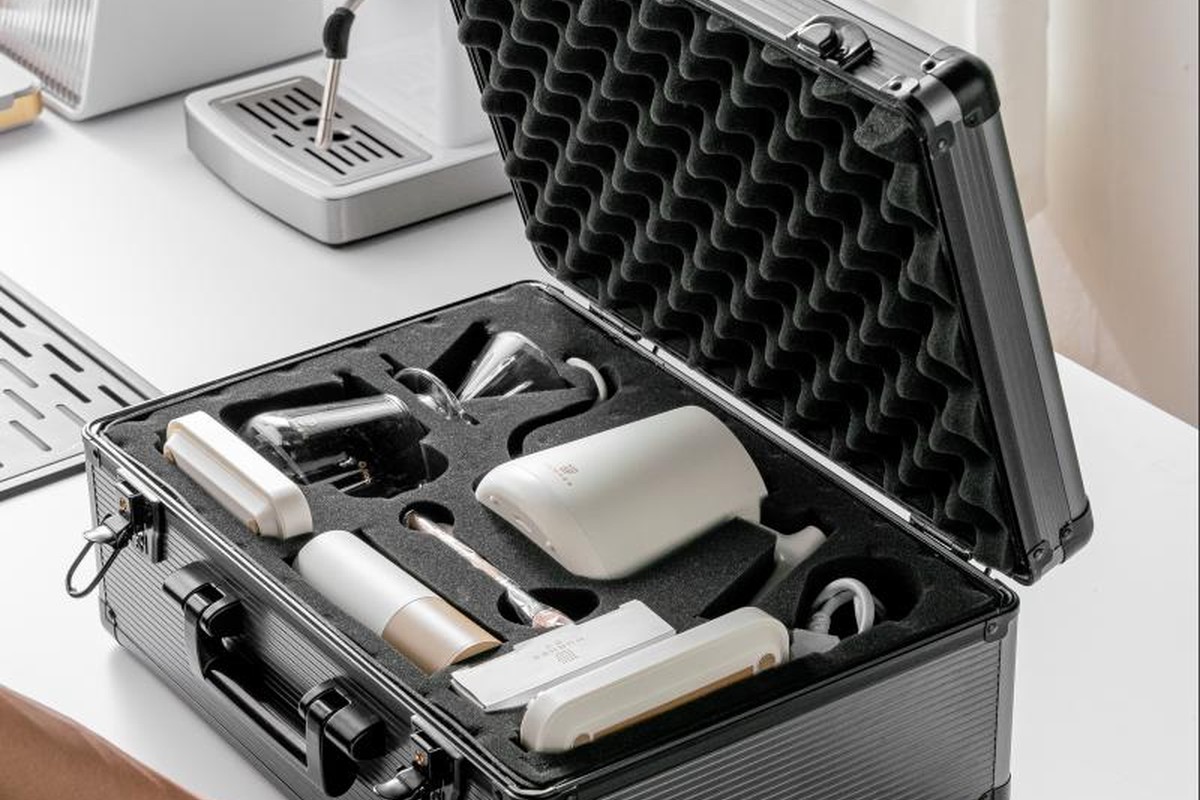
When should you go straight to a factory?
Go direct when the product carries your brand, when a dimension or finish has to be specific, or when the unit cost at volume matters more than delivery speed. A factory builds to a specification, so the same tool can leave as 51, 53, 58 or 58.5 mm, in mirror, matt, frosting or painting, with a laser-marked or silkscreened logo matched to any Pantone colour. That flexibility is the whole reason to cut out the middle layer.
Direct sourcing also shortens the feedback loop. If a prototype handle feels wrong in the hand, the change goes to the bench rather than back through a sales catalogue. iKent runs two plants in Jiangmen: one forms and polishes 304 stainless steel, the other machines handles, springs and burrs on 5-axis CNC equipment. Existing models can be sampled in 3–5 working days (typically 5 days for a machined part), so a dimension can be checked in the hand before a 30-day run begins. Keeping those steps in-house is what makes a mid-run change realistic instead of a re-quote.
The honest downside is lead time and minimums. A standard order is 30 days after confirmation; a run with a custom logo, colour or packaging is 45 days. Existing models can be sampled in 3–5 working days so you can check the feel before committing. Minimums are quoted per project – they depend on the part, the finish and the packaging, because changing any of those changes the run; a printed retail box, for example, is a separate run from 500 pcs. We keep MOQ low and small first runs are possible.
How do you tell a real factory from a trading company?
Ask to see the production steps, not the showroom. A factory can talk about the sequence – forming, polishing, machining, marking, assembly – and can explain where a batch goes wrong. A trading company can usually only show you photographs and a price list. The difference shows up most clearly when you ask a technical question that has no sales answer prepared.
One example that separates a factory from a reseller: on a dark powder-coated surface, laser marking burns through the coating and exposes the steel underneath, so the mark reads a different colour from the body. A factory solves this by silkscreening the dark version, or by marking before coating and then spraying over it. A reseller has never had to make that decision and often cannot answer the question at all. Details like this are not sales language; they are the residue of having made the part thousands of times.
Two more checks are useful. Ask for a factory audit report – it should be available on request, not produced as a surprise. And ask who issues the food-contact test report: a genuine supplier sends samples to an accredited third-party lab and can issue the report under your company name for the tested SKU. Be wary of blanket claims across a whole catalogue.
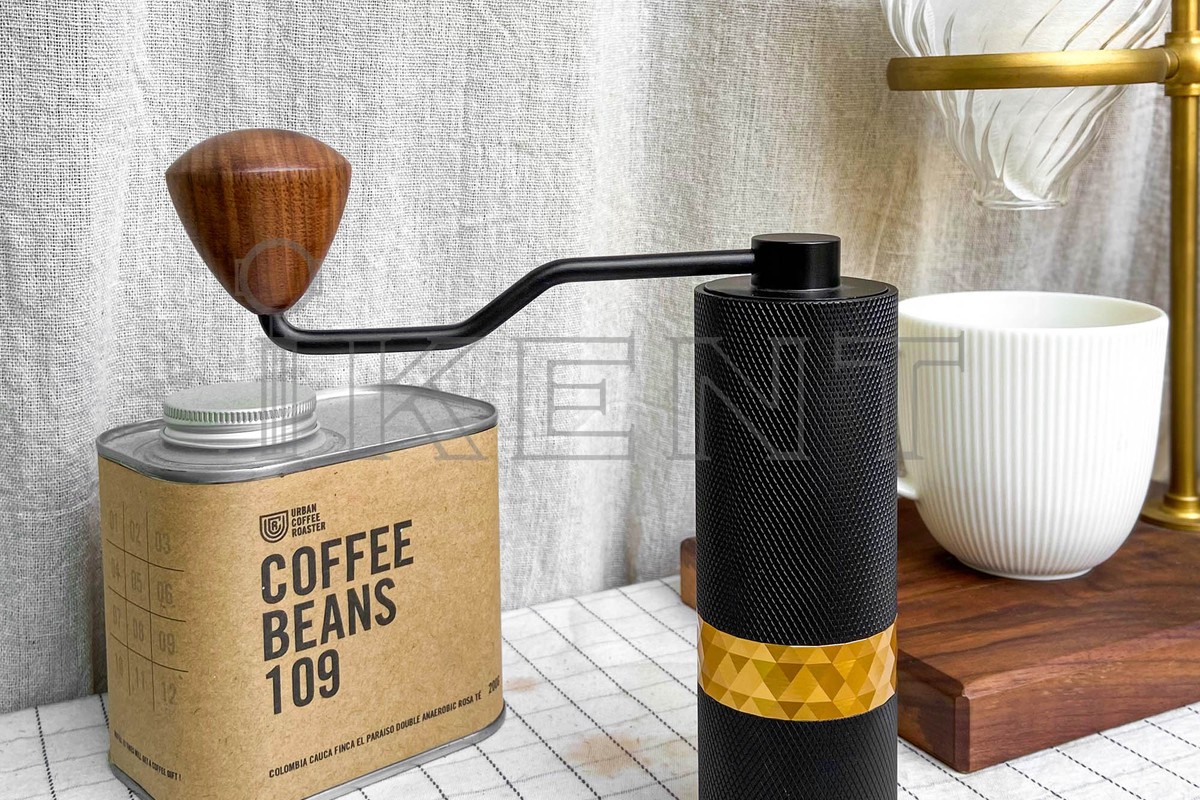
What should you check before the first order?
Check five things in this order: material grade, dimensional options, finish and marking method, packaging, and compliance documents. Getting them in writing before the run avoids the expensive kind of surprise, where a thousand units arrive with the wrong logo process because nobody specified the surface first.
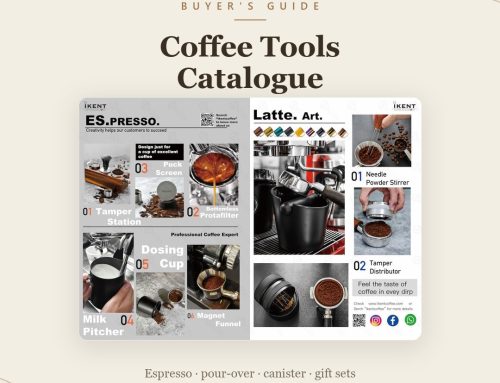
The table below is the standard factory specification for our coffee tool range. It is the same set of facts we quote against, so it is a useful checklist even if you source elsewhere. The wider range is mapped in the coffee tools catalogue.
| Item | Specification |
|---|---|
| Body material | 304 stainless steel, food-grade |
| Size options | 51 / 53 / 58 / 58.5 mm (tampers); custom sizes on request |
| Finish options | Mirror / matt / frosting / painting |
| Logo | Laser marking or silkscreen; method chosen to suit the finish |
| Sample lead time | 3–5 working days for existing models |
| Production lead time | 30 days standard / 45 days with custom logo, colour or packaging |
| Testing | Conforms to FDA (21 CFR) and LFGB; third-party report available for the tested SKU |
| Shipping | Express, air or sea, door to door; Amazon FBA with FNSKU labelling |
Can a factory handle branding and Amazon fulfilment?
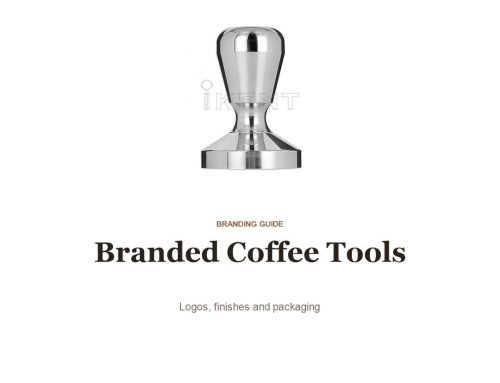
Yes, and this is where direct sourcing stops being a cost exercise and becomes a brand decision. Finishes run from mirror and matt to frosting and painting, colours can be matched to any Pantone, and the logo goes on by laser marking or silkscreen depending on the surface. Packaging runs from a plain white box to a printed retail box and an export carton, with printed boxes from 500 pcs. The full set of options is set out in the coffee tools branding guide.
For sellers, the factory can apply FNSKU labels, mark cartons and book delivery appointments so units arrive at Amazon FBA ready to receive. That removes a whole layer of relabelling that would otherwise happen at a warehouse. The same range is supplied to cafés, retail chains, wholesalers, e-commerce brands and gift-box companies, including sellers ranking at the top of their category on Amazon – a useful signal that the tolerances hold up at volume, though we do not name individual customers.
On compliance, the honest position matters: we conform to FDA (21 CFR) and LFGB food-contact requirements and can provide third-party test reports for the tested SKU, with reports issued under your company name. A factory audit report and drop-test data are available on request. We do not claim certifications we do not hold, and you should treat any supplier that does with care.
Frequently asked questions
Is a distributor or a factory cheaper?
Per unit at volume, the factory is usually cheaper because there is no distributor margin. For a single standard item in a hurry, the distributor can be cheaper once you count freight and the factory’s minimum. The answer changes with quantity and specification.
What is the minimum order when buying direct?
Minimums are quoted per project because they depend on the part, the finish and the packaging. We keep MOQ low and small first runs are possible. Send the target quantity and specification and we will confirm what is realistic on that tooling.
How long does a factory order take?
Existing models can be sampled in 3–5 working days. Standard production is 30 days after order confirmation; a run with a custom logo, colour or packaging is 45 days. Plan the launch date backwards from those numbers.
Can I get my own logo and retail box?
Yes. Logos go on by laser marking or silkscreen, colours can be matched to Pantone, and packaging ranges from a white box to a printed retail box. A printed retail box starts at 500 pcs, which is a separate run from the steel part.
Can a factory ship to Amazon FBA?
Yes. Units can be FNSKU-labelled, cartons marked and delivery appointments booked before shipping by express, air or sea. This removes the relabelling step that a distributor supply chain usually needs.
How do I verify food-contact compliance?
Ask for the test report for the specific SKU and check who it is issued to. Ours conform to FDA (21 CFR) and LFGB and are tested by an accredited third-party lab; reports can be issued under your company name. Be cautious of blanket claims covering an entire catalogue.
Where are you based and how long have you made coffee tools?
The operation is two plants in Jiangmen, Guangdong – one for stainless steel forming and polishing, one for machining handles, springs and burrs – with 15 years in coffee-tool production. More on our 304 stainless steel coffee tools.
Coffee tools to start with
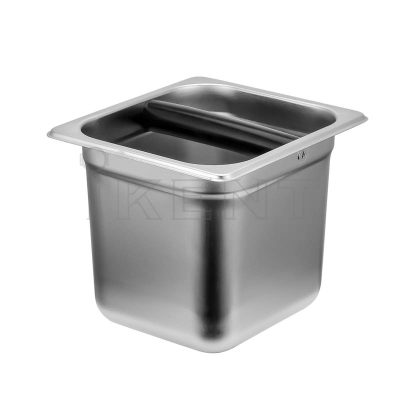

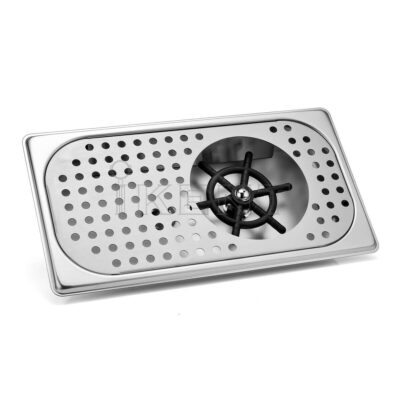
Browse the full iKent Coffee Products range for sizes, finishes and OEM options.
Let’s Build Something Together
The coffee world keeps demanding quality, functional accessories. Partner with iKentcoffee to offer tools that perform and represent your brand proudly. From manual coffee grinders, espresso tampers and coffee canisters to milk pitchers and full coffee sets — we provide OEM & ODM solutions with low MOQ and stable supply.
👉 Contact us today to discuss wholesale, customization, or to request a sample.
💭 Jiangmen Aika Houseware Co., LTD
💭 Jiangmen Zhenhua Hardware & Plastic Factory
We look forward to the opportunity to collaborate with you!
WhatsApp: +86 13426845305
E-mail: kaelyn@ikentcoffee.com
Website: www.ikentcoffee.com
Leave A Comment