
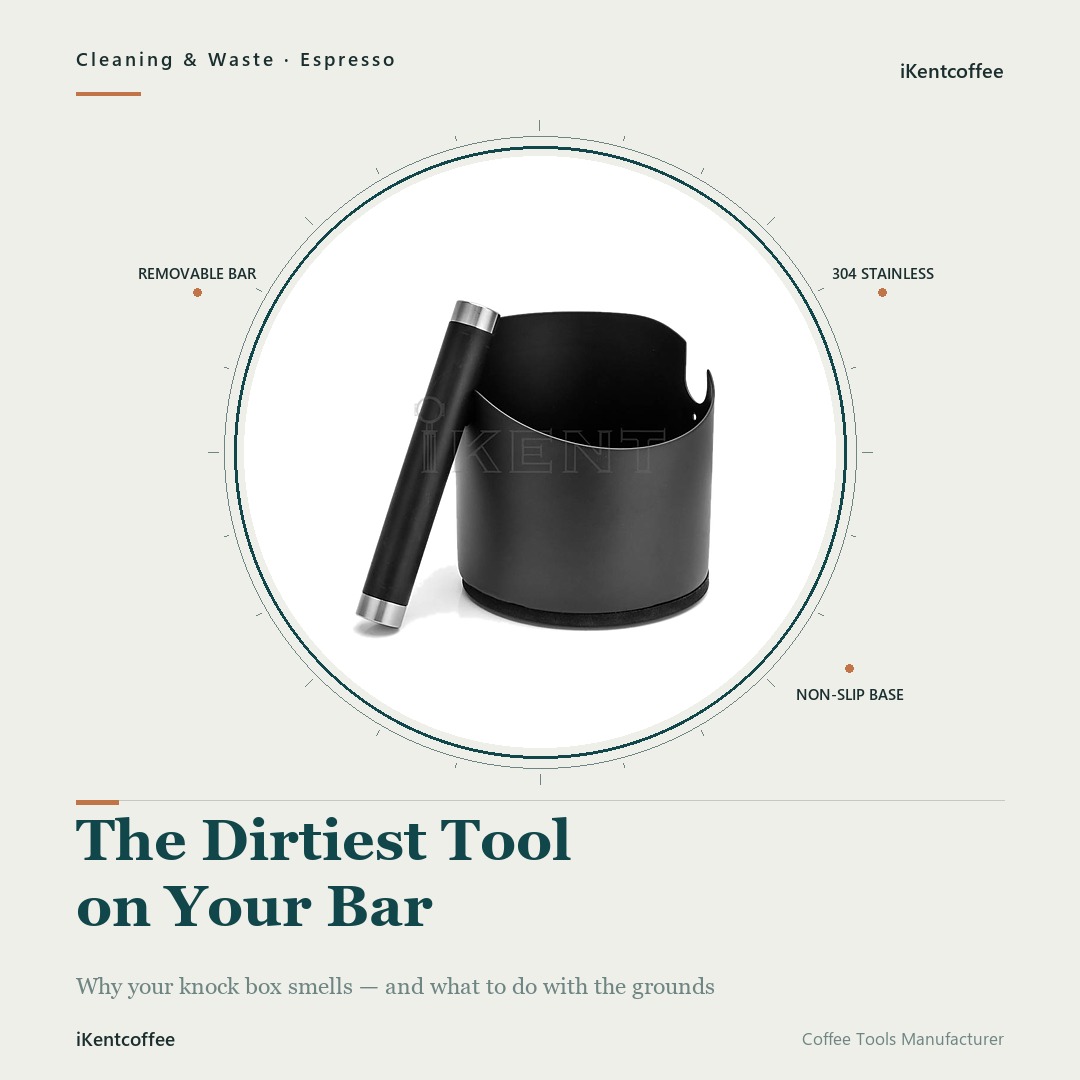
A knocked-out puck is about 30% water by weight. Left in a closed bin at room temperature, mould can start to colonise it within 2 days. That warm, damp mass is why a knock box smells sour by Monday and why the rubber bar turns tacky: coffee oils oxidise on the bar and trap the next puck’s grounds. The fix is not a stronger cleaner. Empty the box daily, lift the bar out and wash it weekly, and let every part dry fully before you reassemble. The CKB010A from iKent is built around exactly that routine — a 304 stainless body and a knock bar that comes out for cleaning.
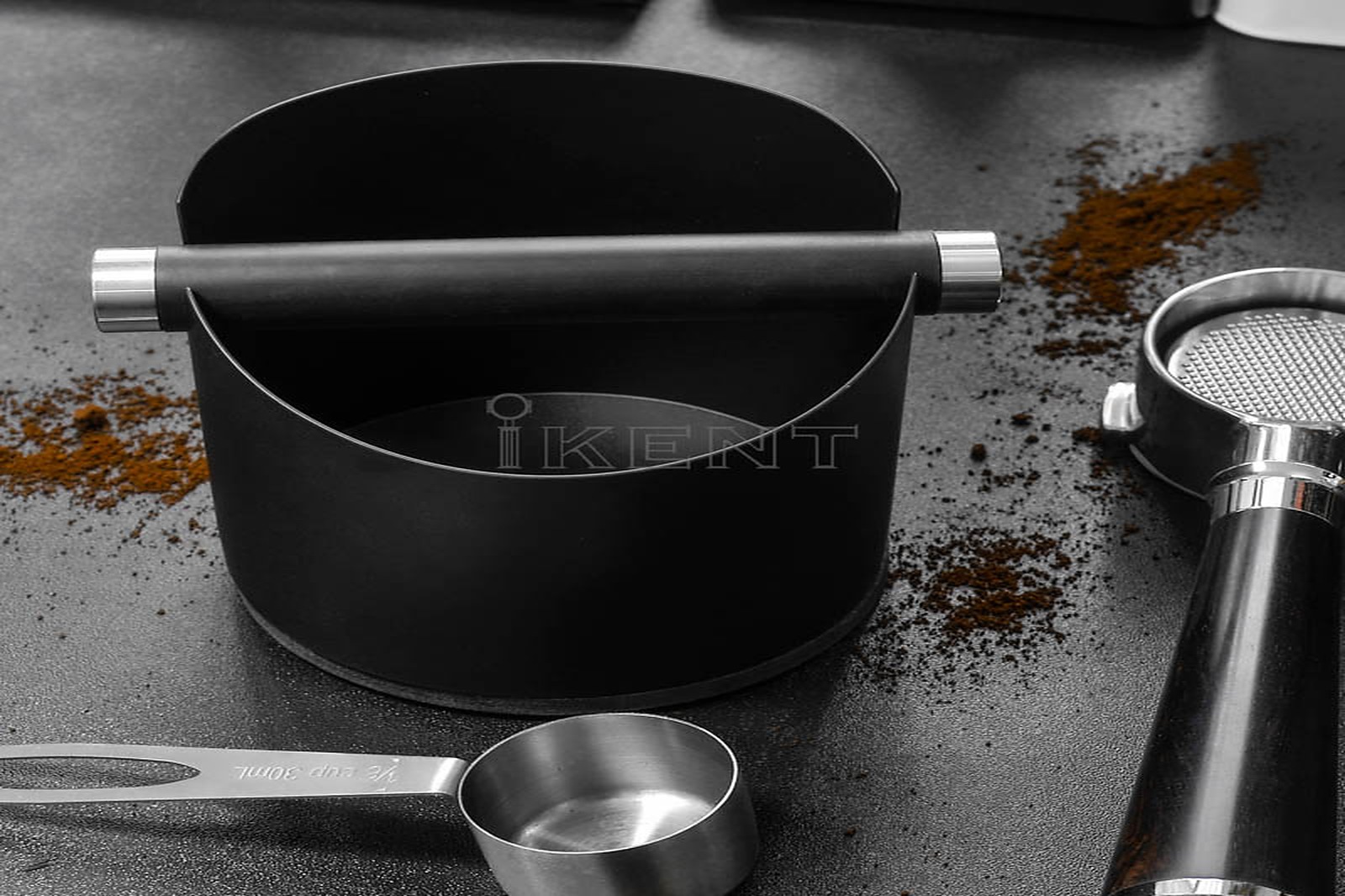
Why does a knock box get dirty so fast?
Call it a bin and you will treat it like one. It is closer to a wet waste station sitting 20 cm from a heat source. A single 18 g double puck leaves roughly 5 g of water behind in the box after you knock it. Do that 8 times a day and you have added about 40 g of moisture to a container that rarely sees sunlight. Add the oils: roasted coffee carries 10–15% oil by weight, and a hot puck presses that oil straight onto whatever it touches.
Plastic boxes make this worse. Their surfaces are porous at a microscopic level, so oil seeps in and a rinse cannot lift it out. You notice a rancid smell, a sticky film or dark stains that will not scrub off. Stainless steel has no such pores. A 304 stainless body wipes back to bare metal with hot water and a cloth, which is why the material matters more here than the shape of the box.
The bar is the real problem spot. Every shot strikes the same strip of rubber, and coffee oil accumulates there fastest. Over 7 days the surface goes from dry to tacky, catches stray grounds, and knocks unevenly — a loose or sticky bar absorbs a different amount of impact each time, so pucks sometimes stay half-stuck in the basket.
How often should you clean a knock box?
Three rhythms do the job. Skip any one and the other two stop working.
| Frequency | What you do | Why it matters |
|---|---|---|
| After every shot | Tap the puck out; wipe the group head | Stops grounds drying onto the rim |
| Daily, at close | Empty all pucks, hot-water rinse, wipe completely dry | Removes the 30% moisture before mould can start |
| Weekly | Remove the bar, soak parts in warm soapy water 10 min, scrub, rinse, air-dry | Breaks down oxidised oil the daily rinse cannot touch |
| Monthly | Wipe the interior with 1 part white vinegar to 3 parts water; inspect the bar for splits | Deodorises and catches a worn bar before it fails |
Note the direction of that last routine: dry completely before you reassemble. Trapped moisture in the seam under the bar is where a musty smell comes back. A paper towel folded in the empty box overnight absorbs the last of it and lets the pucks slide out in one piece the next day.
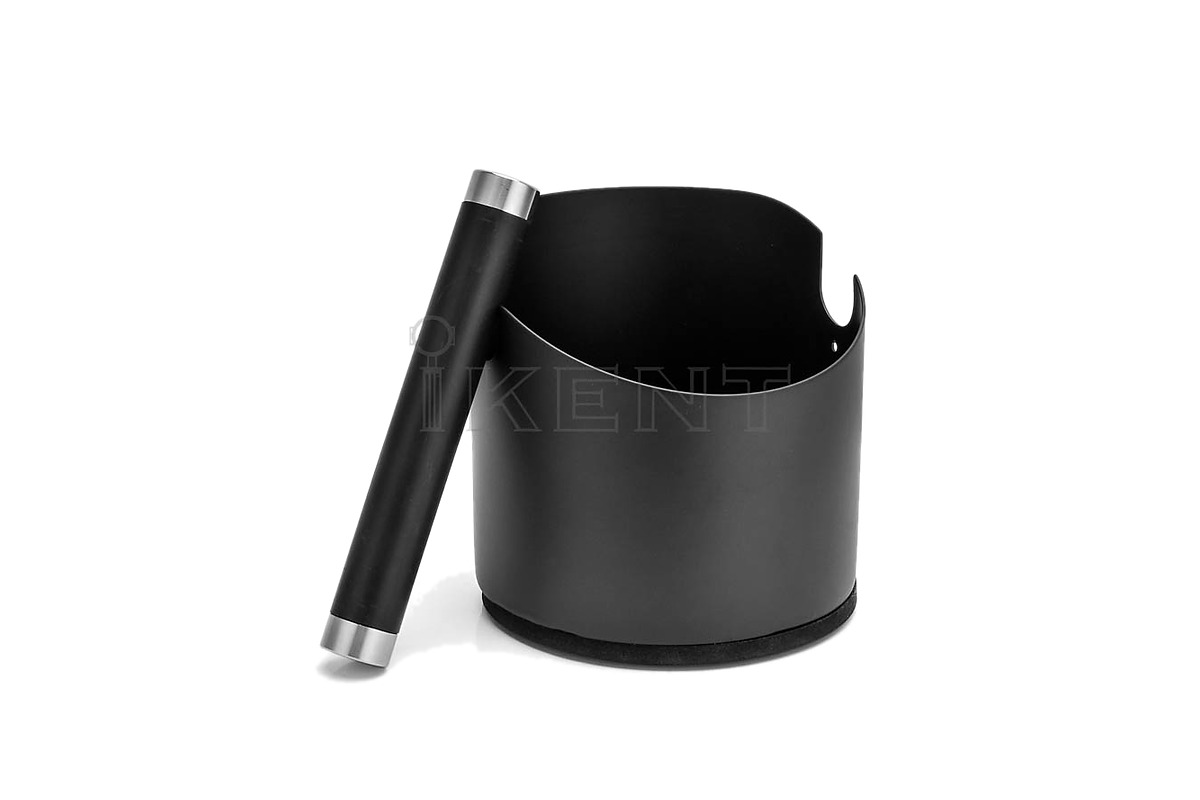
Why does the rubber bar get sticky, and what should you use?
Because it takes the hit. Rubber and silicone absorb the strike so the shock does not travel back into the portafilter lugs or your wrist, and they keep the tap quiet on a long shift. That softness is also why oil soaks in. Treat the bar differently from the body:
- Daily: wipe with a damp cloth only. Skip soap — it strips the rubber’s grip and leaves a residue that can transfer to the portafilter.
- Weekly: take the bar out, wash it separately in warm soapy water, and use a soft brush on the ends where grounds pack in.
- Stubborn film: a baking-soda paste (3 parts soda to 1 part water) for 5 minutes, then rinse. It is mildly abrasive and will not scratch steel.
- Avoid: steel wool, chlorine bleach and the dishwasher. High heat warps rubber so the bar never sits flat again.
A bar that cannot be removed is the one design flaw no cleaning routine fully fixes. If oil is embedded under a cap you cannot reach, you are replacing the whole box. A removable bar turns a 15-minute deep clean into something you can actually keep up with.
Can you compost the grounds from a knock box?
Yes, with restraint — and despite the myth, used grounds are not acidic. Brewing pulls most of the acid into the cup, leaving spent pucks close to neutral at roughly pH 6.5 to 6.8. Oregon State University Extension notes that grounds are often overdone in compost: keep them at no more than 20% of the pile by volume, or the mix can turn toxic to plants. A simple ratio is 3 parts dry leaves to 1 part grass clippings to 1 part grounds.
What not to do is just as important. Do not spread fresh grounds in a thick layer — they crust over and block water and air. Do not put them in seed trays. Let hot pucks cool before adding them to compost, and never wash grounds down the sink, where the oils and fines build up in the plumbing. If you have no garden, the wet-waste bin is a perfectly good destination. The knock box is what makes the daily handoff easy: collect, cool, empty, rinse.
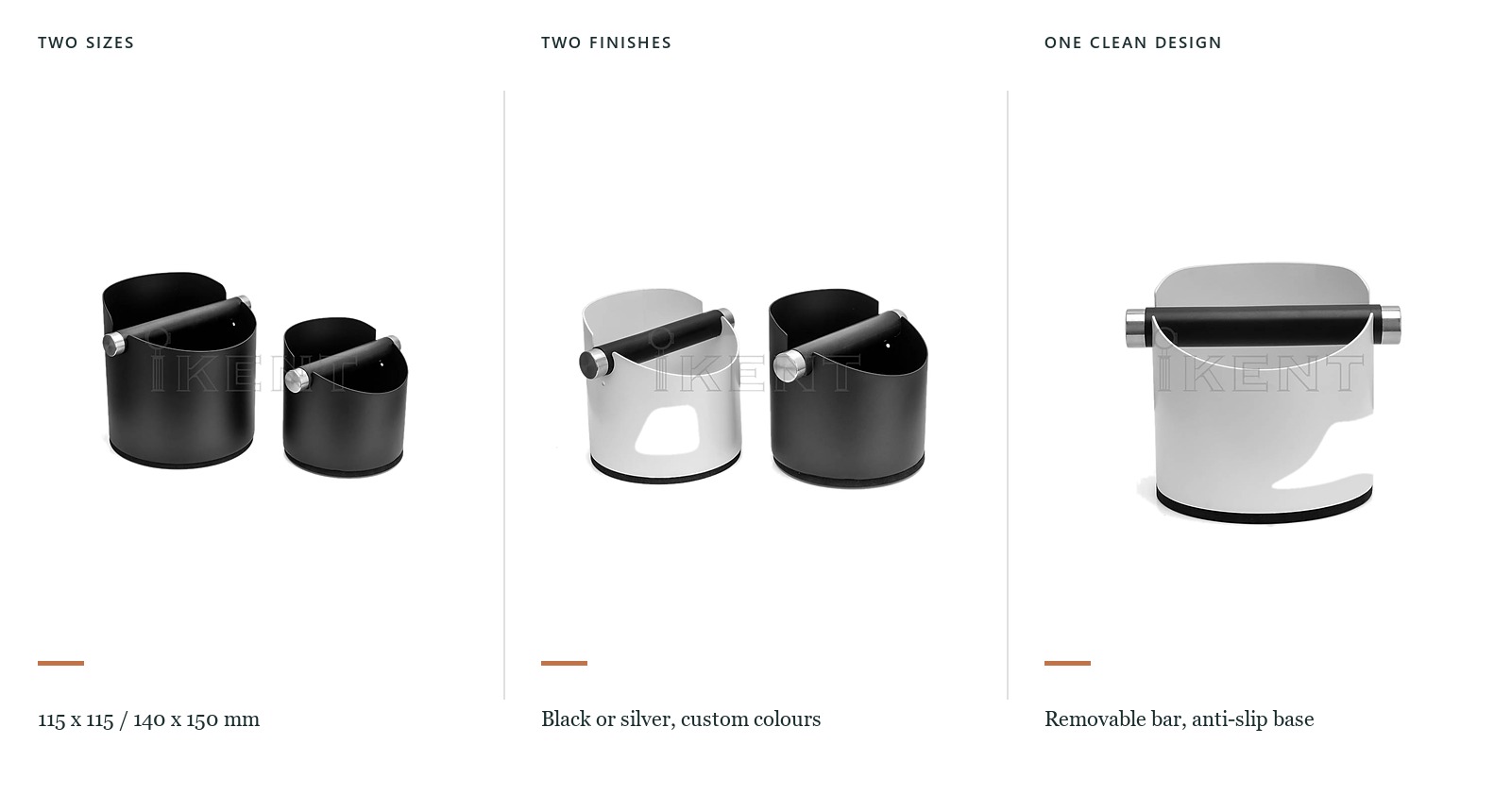
What should you look for in a knock box that is easy to clean?
Four things, in this order: a bar that lifts out, a body with no pores or seams that trap oil, a base that will not slide while you knock, and a size that matches your shot count so you actually empty it on schedule. That last point is underrated. Most home portafilters are 51 mm or 58 mm across; match the opening to your basket so the puck clears in one strike. A box too large for a home setup sits half-full for days; one too small for a busy bar needs emptying mid-rush.
Industry guides put a home box at roughly 0.5 L to 1 L — enough for 1 to 4 double shots a day — while a busy bar runs a 2 L to 3 L bin emptied once or twice per service. Pick the smaller end if you make two drinks and close down; the extra capacity only buys you a box that sits half-full and smells.
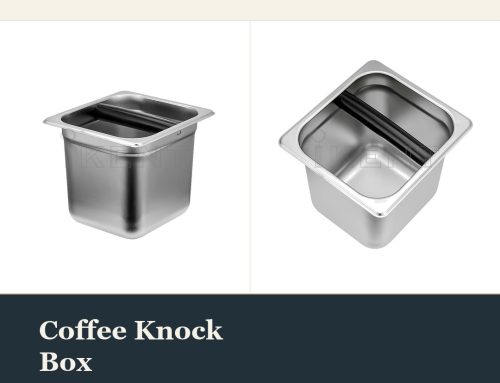
The CKB010A is a desktop-format round knock box that follows that list. Its body is 304 stainless steel with a silicone or rubber knock bar that comes out for washing, and an anti-slip base to keep it planted on the counter. It is supplied in a 115 mm round footprint or a larger 140 mm by 150 mm size for different bench depths, in black, silver or a custom colour, with mirror, matt, frosting or painted finishes. Your logo goes on by laser or silkscreen, and the packing can be a white box, gift box or carton.
Because it is a factory product rather than a stocked catalogue item, size, colour, finish and packaging are all open to discussion. Food-contact testing — LFGB, FDA (21 CFR), RoHS or KFDA — can be arranged through a third-party lab, with the report issued in your company name and the cost and lead time quoted per order. Tell us the target quantity and the spec and we will confirm what is realistic on that tooling; small first runs are possible. Minimums are quoted per project, because they depend on the part, the finish and the packaging.
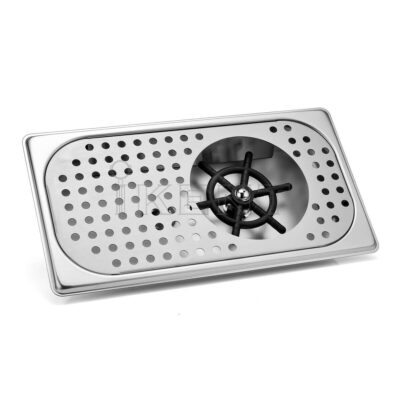
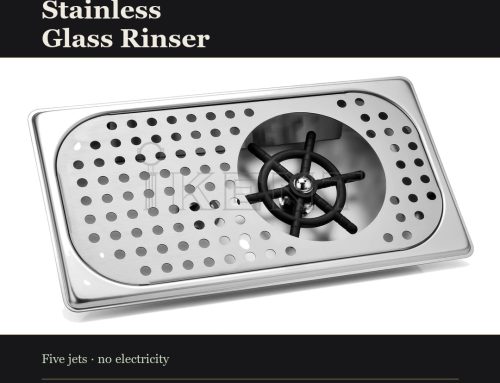
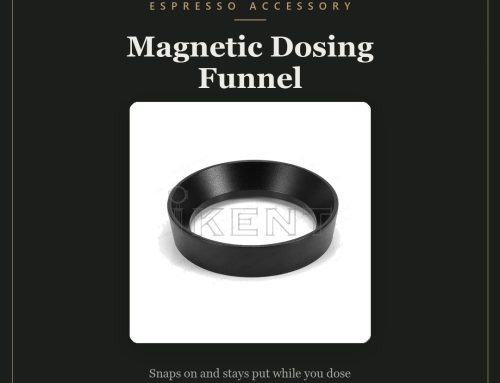
For the rest of the station, the same logic applies: tools that come apart clean better. The calibrated tamper and the distribution tools in your puck-prep routine, and the bar sink rinser that clears milk jugs between drinks, all do their job faster when they can be wiped down in seconds. The knock box is simply where that habit starts and ends. See the full CKB010A knock box for the spec table.
Espresso bench tools


Let’s Build Something Together
The coffee world keeps demanding quality, functional accessories. Partner with iKentcoffee to offer tools that perform and represent your brand proudly. From manual coffee grinders, espresso tampers and coffee canisters to milk pitchers and full coffee sets — we provide OEM & ODM solutions with low MOQ and stable supply.
👉 Contact us today to discuss wholesale, customization, or to request a sample.
💭 Jiangmen Aika Houseware Co., LTD
💭 Jiangmen Zhenhua Hardware & Plastic Factory
We look forward to the opportunity to collaborate with you!
WhatsApp: +86 13426845305
E-mail: kaelyn@ikentcoffee.com
Website: www.ikentcoffee.com
Leave A Comment