
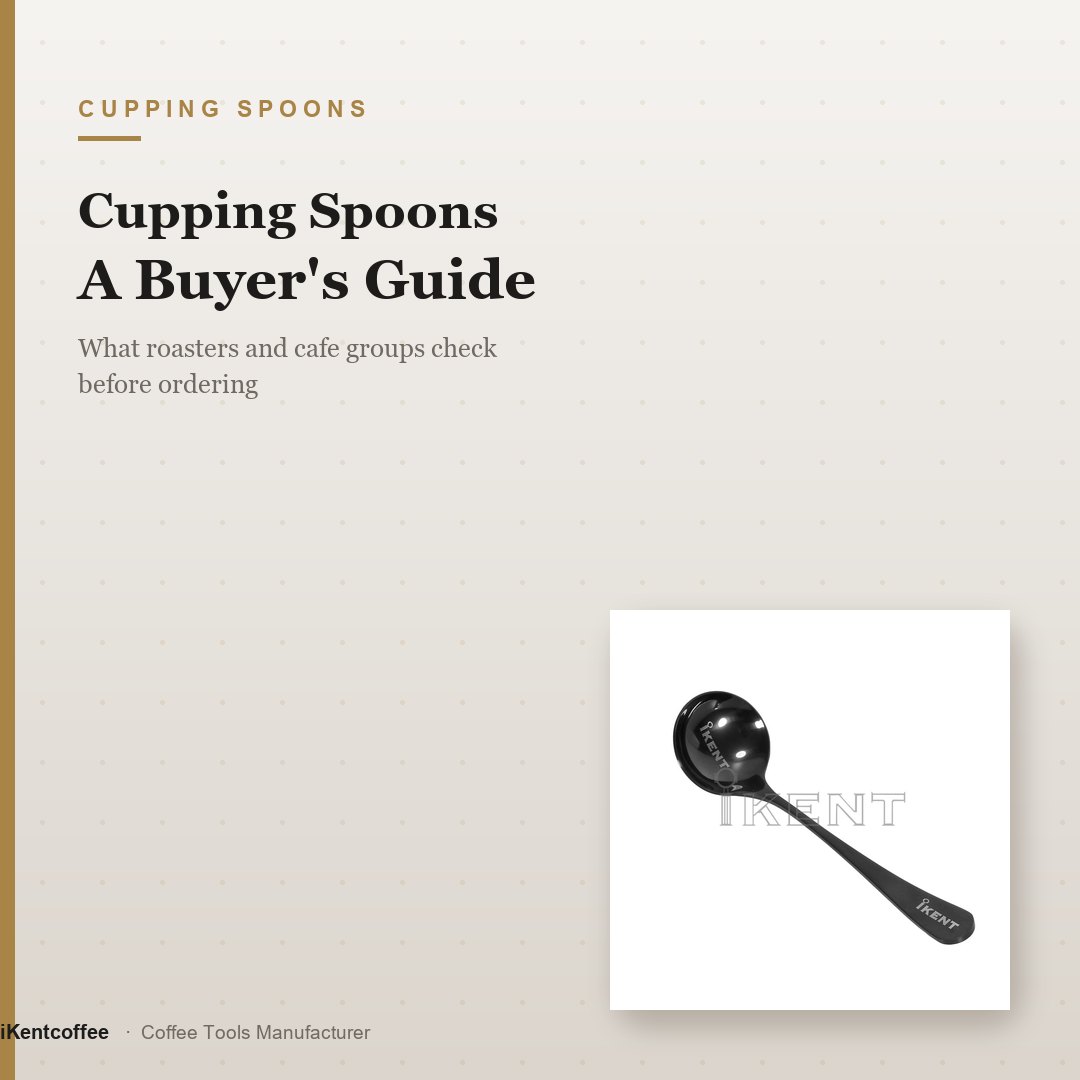
Every cupping table runs on the same sequence: break the crust, skim the foam, slurp, score. The spoon is the least expensive tool on the table and the only one every taster touches – which makes it the one item where a weak spec is felt by the whole session. This guide covers what separates a purpose-built cupping spoon from a kitchen teaspoon, which details matter when a roastery or cafe group buys in quantity, and what to confirm with a supplier before placing an order.
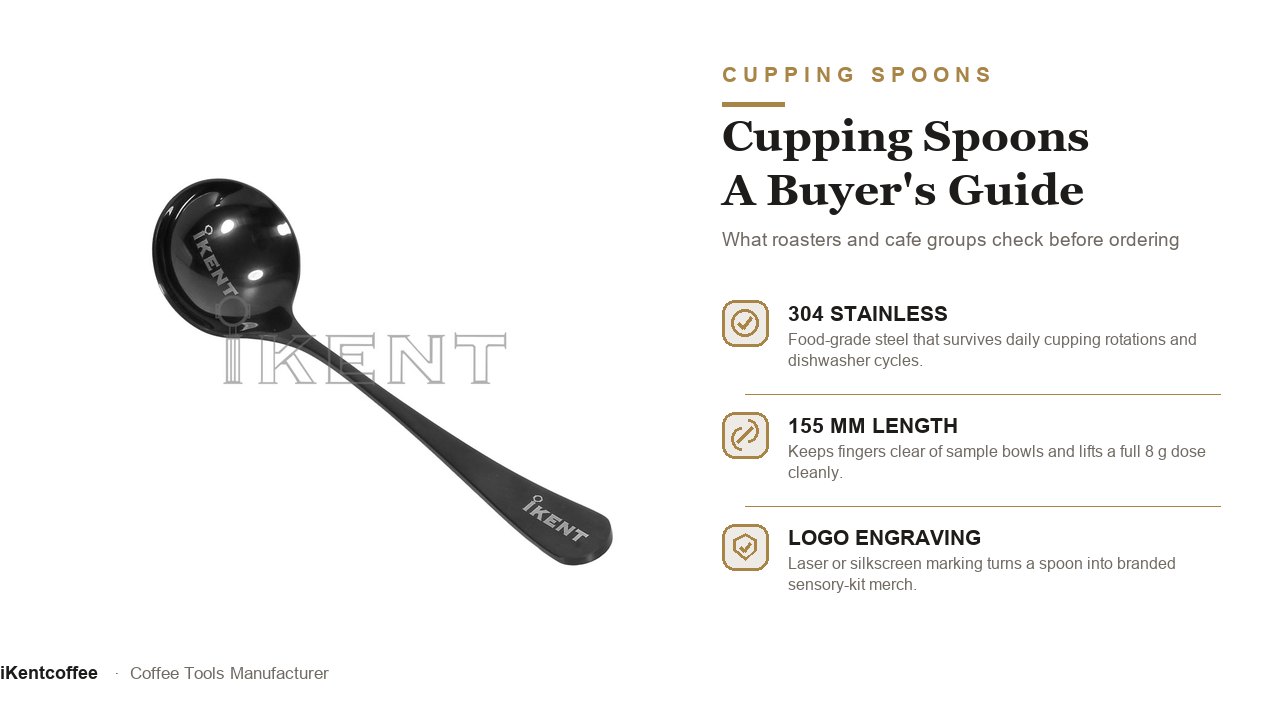
Cupping spoons are rarely written about because they look simple: a bowl and a handle. The simplicity is deceptive. A spoon gets used forty times in a morning, rinsed between every bowl, and dropped in a dishwasher at the end of the day – and it has to hold its geometry, its finish and its engraving through all of it. For brands assembling a sensory kit or a private-label accessory range, the spoon is usually the lowest-priced SKU in the line, so the story has to work at volume rather than per unit.
What a cupping spoon has to survive
A standard cupping setup pours roughly 200 ml bowls filled near the rim with water just off the boil, and the table stays hot for the better part of half an hour. The spoon cycles through that liquid, then into a room-temperature rinse glass, then back again – dozens of times per session. Add coffee acids, a hot dishwasher rack at close of business, and the occasional drop onto a hard table, and the failure modes become obvious: thin stamped teaspoons bend at the neck, plated finishes flake into the sample, and soft steel bowls pick up scratches that hold aroma from previous rounds.
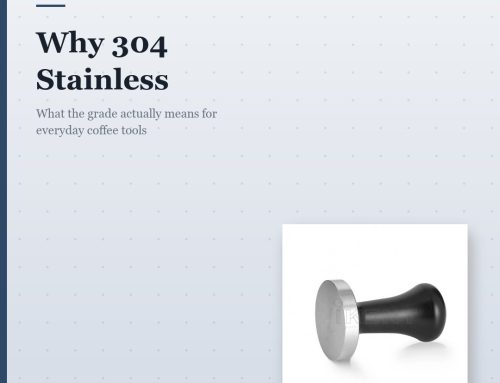
This is why the material question comes first. Food-grade 304 stainless steel is the practical default for anything that spends its working life in hot coffee water – the same reasoning that applies across the whole range of coffee tools made from 304 stainless steel. It resists corrosion without coating, tolerates commercial dishwashing, and does not transfer off-flavours the way a worn plating can.
Why 155 mm is the length to ask for
Cupping bowls are deep. With a short spoon, every crust break and skim puts knuckles into the liquid, which is uncomfortable at best and unsanitary at worst. A 155 mm handle keeps the hand clear of the bowl while leaving enough control to skim foam in a single pass – the motion that decides whether a table reads the same coffee the same way. Length also affects balance: a taster makes dozens of skims per session, and a neck-heavy spoon is more tiring than the spec sheet suggests.
Bowl depth is the quieter detail. A shallow bowl forces double-dipping, which drags the previous sample into the next score. A properly proportioned bowl lifts a full dose of crust or a clean slurp in one motion.
Finish and colour: function first, brand second
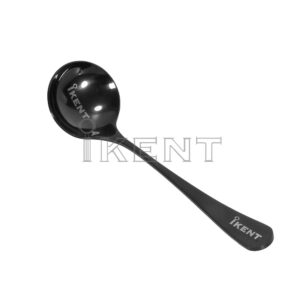
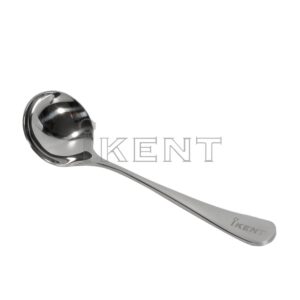
Stainless takes finishes well, and each reads differently on the table. Mirror is the classic look and the easiest to keep hygienic. Matt and frosting hide fingerprints and light scratches, which matters for spoons that travel between sites. Painted and PVD black finishes do two jobs at once: they conceal the coffee staining that accumulates between rinses, and they photograph as a premium product – which is why black dominates retail listings and brand sensory kits. PVD in particular adds surface hardness on top of colour.
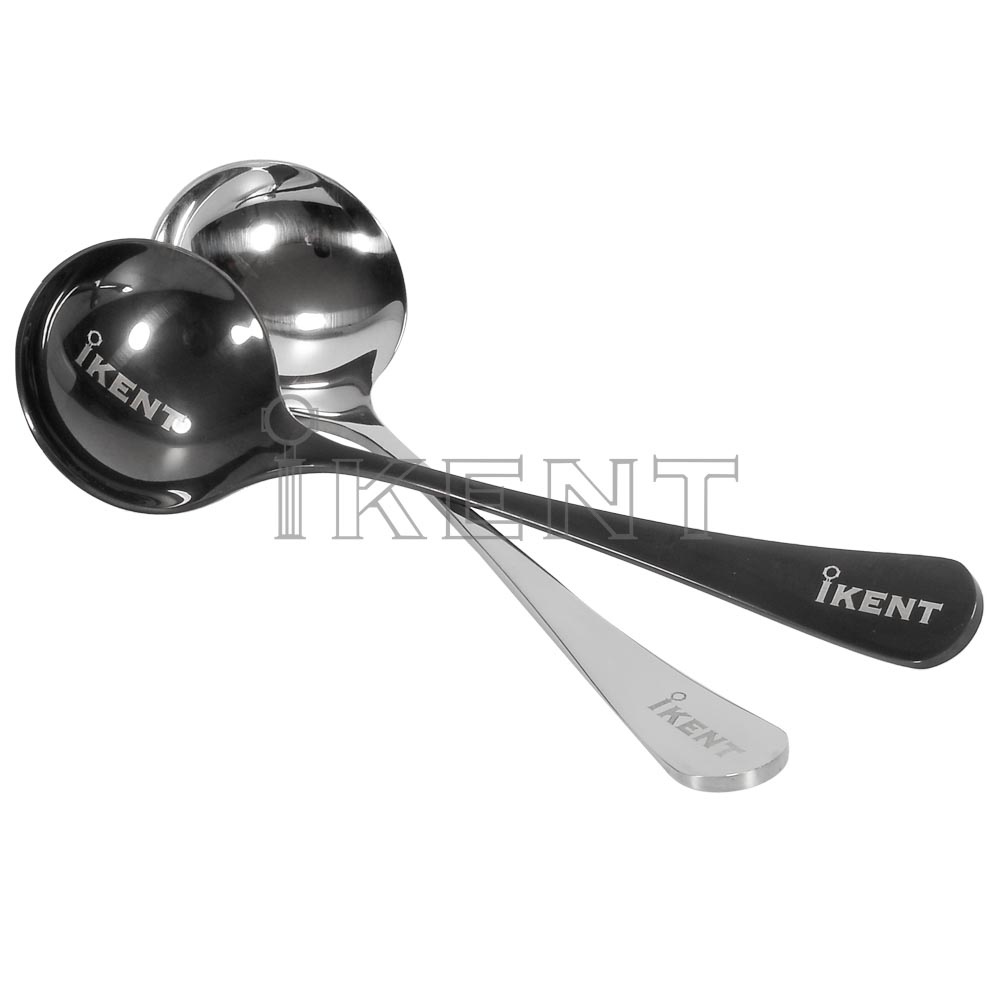
Branding follows the same logic. Laser engraving is permanent and works on any finish, including dark PVD surfaces; silkscreen suits solid-colour logos on standard finishes. Both turn a functional tool into something a cafe group can hand to every store, or a brand can bundle with a retail set.
Who orders cupping spoons, and in what volume
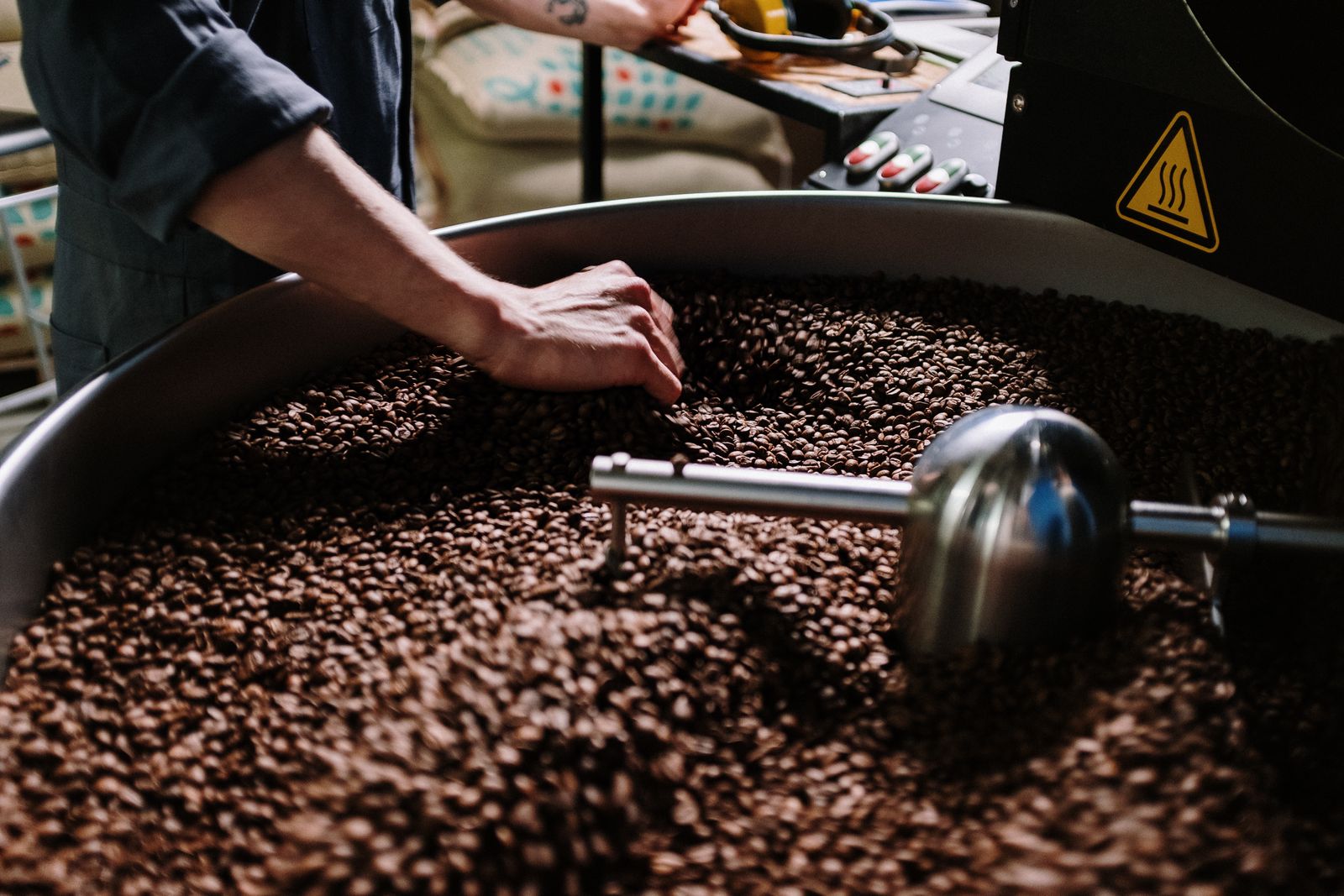
Roasteries buy them for the QC lab – one per taster plus spares, replaced on a schedule rather than when they break. Training organisations running Q-grader and sensory skills courses need matched sets for each station. Cafe groups standardising equipment across stores add spoons to the same order as grinders and pitchers so every location evaluates coffee the same way. And online sellers keep finding that a black spoon photographed next to a canister or a kettle lifts an entire product page.
From a buying point of view the entry bar is low. Samples of existing models usually ship in three to five working days, so a sample-first workflow costs almost nothing, and production orders can ship directly to Amazon FBA warehouses with FNSKU labelling and carton marking already handled.
How to judge a sample before committing
Pick the spoon up first: balance should sit between bowl and handle, not all at the neck. Check the rim – the edge meets a taster’s lips all day, so polishing quality is a comfort issue, not a cosmetic one. Fill a bowl, break a crust and skim; the bowl should lift a full dose in one pass. Then abuse the sample the way the table will: one dishwasher cycle and a week of brews, followed by a rub test on the engraving. A logo that survives that has survived real use.
What to confirm with a supplier before ordering
Three conversations prevent most problems. First, material: ask for food-grade 304 stainless steel in writing, and treat hesitation as an answer. Second, finish and colour: standard black and silver are usually in stock, but a Pantone-matched colour is a production run, so confirm the minimum quantity before promising a brand colour. Third, packaging: white box, gift box and carton cover most programmes, and custom printed boxes are available at higher quantities – worth pricing early if retail presentation is part of the plan. For a wider view of the buying process, the notes on setting up a full cupping session pair well with this list.
Frequently asked questions
Is a cupping spoon different from a tasting spoon?
Yes. A cupping spoon has a deeper bowl, a longer handle and a stiffer neck than a dessert or tasting spoon. A teaspoon works in a pinch, but the handle is too short for deep bowls and the thin neck flexes during skimming – noticeable long before it is broken.
Why are so many cupping spoons black?
Practical reasons first: a dark finish hides the coffee staining that builds up between rinses, and there is no glare under bright cupping-table lighting. Presentation follows – black photographs as a premium item, which is why it appears in most retail and gifting listings.
How many spoons does a cupping table need?
One per taster plus two spares per table. A five-person session runs seven to be safe, each rotated through the rinse glasses between rounds. Labs that cup daily tend to buy in multiples of the table count so worn spoons can be rotated out on a schedule.
Cupping spoons and accessories worth comparing
Browse the full Coffee Accessories range for sizes, finishes and OEM options.
Let’s Build Something Together
The coffee world keeps demanding quality, functional accessories. Partner with iKentcoffee to offer tools that perform and represent your brand proudly. From manual coffee grinders, espresso tampers and coffee canisters to milk pitchers and full coffee sets — we provide OEM & ODM solutions with low MOQ and stable supply.
👉 Contact us today to discuss wholesale, customization, or to request a sample.
💭 Jiangmen Aika Houseware Co., LTD
💭 Jiangmen Zhenhua Hardware & Plastic Factory
We look forward to the opportunity to collaborate with you!
WhatsApp: +86 13426845305
E-mail: kaelyn@ikentcoffee.com
Website: www.ikentcoffee.com

Leave A Comment