
Most people attempt latte art before they can steam milk, which is exactly backwards. The pattern is the last ten percent of the job; texture is the other ninety. Get microfoam right and simple pours look intentional. Get it wrong and even a perfect technique produces grey, bubbly milk that separates in the cup within a minute.

This walks through pulling milk-based espresso drinks in the order that actually matters: espresso first, then milk, then pour – with the common failure points flagged along the way.
Start with the espresso, then plan around it
Milk drinks are ratios. A flat white, a cappuccino and a latte differ mainly in how much milk meets how much espresso, so decide the drink before you start – otherwise you will steam milk for a latte and discover you have pulled two ristretto shots.
Workable starting points: a flat white around 1:2 to 1:3 milk to coffee with a thin foam layer; a cappuccino roughly equal parts espresso, steamed milk and foam; a latte considerably more milk with a modest foam cap. Pull the shot last if you can – espresso degrades faster than steamed milk sits.
Choose and size the pitcher
Use a pitcher sized to the drink, which usually means smaller than instinct suggests. Milk roughly doubles in volume once aerated, so start a third to a half full. Overfilling forces you to stop aerating early; underfilling means you cannot keep the steam tip properly submerged.
Our guide to choosing a milk pitcher covers spout shapes and capacities in detail. For learning, a moderate spout is easier than a very sharp one.
Steaming: position first, then air
Start with cold milk – cold gives you more working time before it gets hot, and the extra seconds matter. Fill to below the spout base, purge the steam wand briefly to clear condensation, then position it deliberately:
Offset and shallow. Bring the tip just under the surface, off-centre, so the milk spins rather than just bubbling in place. That whirlpool is what turns big bubbles into fine ones; without it, no amount of technique will rescue the texture.
Aerate briefly. Lower the pitcher slightly until you hear a gentle tearing sound – like paper ripping, not like a scream. Count it: for a latte a couple of seconds, for a cappuccino a little longer, for a flat white barely any. Stopping early is far easier to correct than going too far.
Then submerge and spin. Raise the pitcher so the tip sits deeper and keep that vortex going. You are no longer adding air – you are breaking existing bubbles down into smaller ones and heating evenly.
Temperature: stop earlier than feels right
Around 60-65 C is where milk tastes sweetest. Past roughly 70 C the proteins change, sweetness drops and it starts tasting thin and slightly scolding. If you do not have a thermometer, use the hand test: hold the palm-flat side of the pitcher – when it becomes genuinely uncomfortable to keep touching, stop immediately.
Stop the wand before it feels done. Momentum keeps heating for a moment after you cut the steam, and that overshoot is responsible for most burnt-milk failures.
After steaming: groom or lose it
This step is skipped constantly and it is why foam separates. Foam starts separating the instant the wand stops. Immediately swirl the pitcher briskly – really briskly – until the surface looks glossy, like wet paint. If there are visible bubbles sitting on top, tap the pitcher firmly on the bench once or twice and swirl again.
If it looks like stiff whipped cream rather than glossy liquid, too much air went in early and it will not pour properly. Use it, learn from it, and next time stop aerating sooner – this cannot be fixed after the fact.
Pouring, in three moves
Pour high to blend. Start perhaps ten centimetres above the cup and pour steadily into the centre. This drives milk under the crema without marking it, building the blank canvas the pattern sits on.
Get low and close. As the cup fills to roughly two thirds, bring the spout close to the surface and tilt slightly. Milk now floats rather than plunging, so it begins to show.
Then either keep it flat or add a finish. Holding steady gives the classic round shape. To draw, push the pitcher forward through the crema at a steady pace – height and speed do the rest.
Fixing the common problems
Milk is flat and grey, no pattern forms: insufficient aeration, or the crema was too thin. Aerate a second longer, and check the espresso itself.
Big bubbles on the surface: too much air too fast, or no whirlpool. Lower is slower – should sound like tearing paper, not hissing.
Foam and milk separate immediately: not swirled after steaming, or milk sat too long before pouring.
Pattern won’t stay: pouring too high for too long. Lower the pitcher sooner and move forward with intent.
Acids? Plant milks need gentler treatment and lower finishing temperatures; some brands simply will not foam without a barista formulation. If plant milk is the default at home, it is worth choosing which brand you buy partly on how it steams.
Frequently asked questions
Can you make microfoam without a steam wand?
Yes. A French press works well: warm milk, plunge rapidly up and down until volume increases, then swirl. Handheld frothers give finer foam than plunging but coarser than steam. The same rule applies whatever the method – add air briefly, then make it fine.
What milk steams best?
Standard dairy with moderate protein gives the most stable result reliably. Higher-fat milk feels richer but foams less aggressively; skim foams aggressively into stiff, dry bubbles that separate. For learning, ordinary full-fat or semi-skimmed is the easiest.
How do I keep the crema from breaking while pouring?
Pour higher and more centrally at the start so milk goes under the crema rather than through it, and keep the flow steady. A hesitant, stop-start pour disturbs the surface more than a confident fast one.
What this looks like in practice
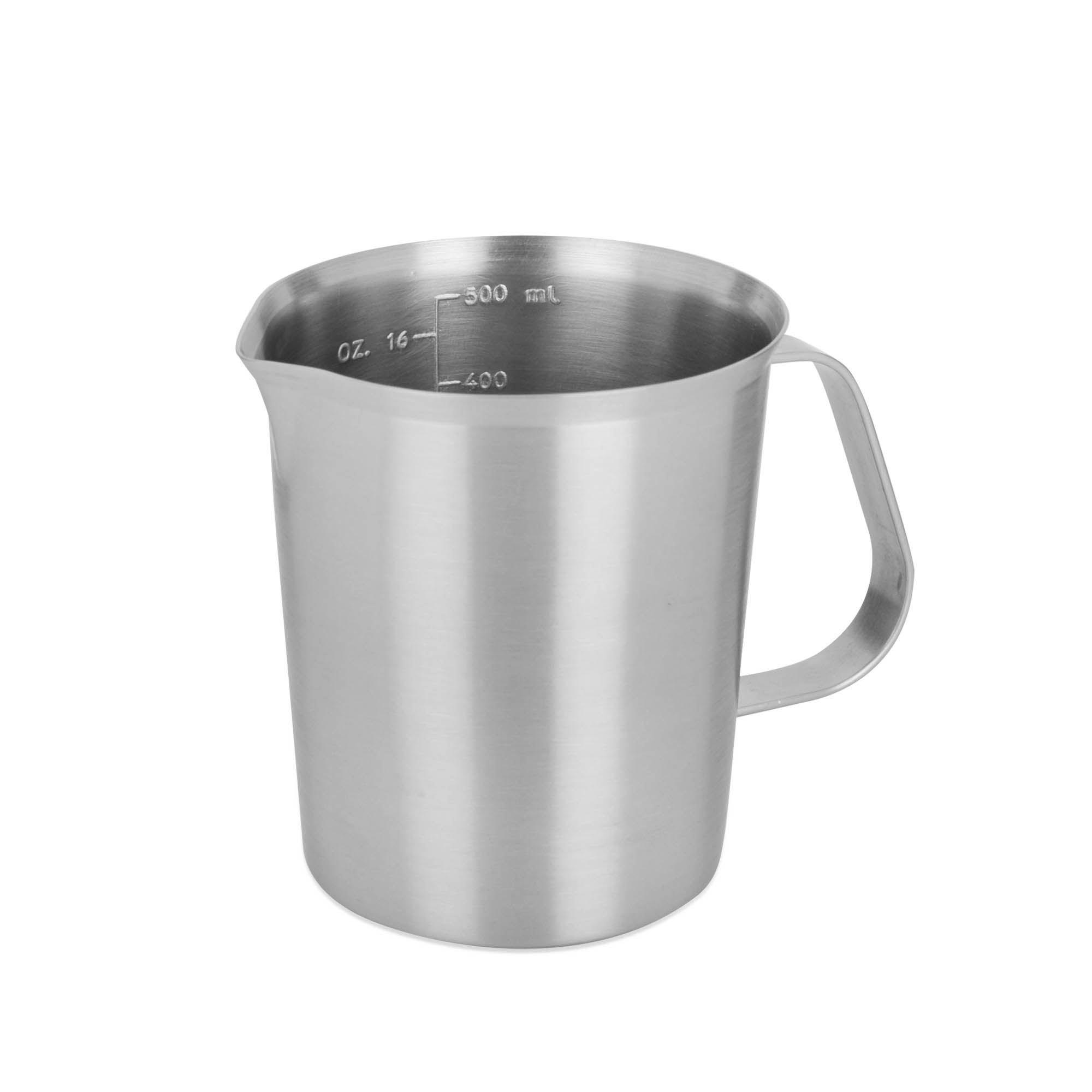

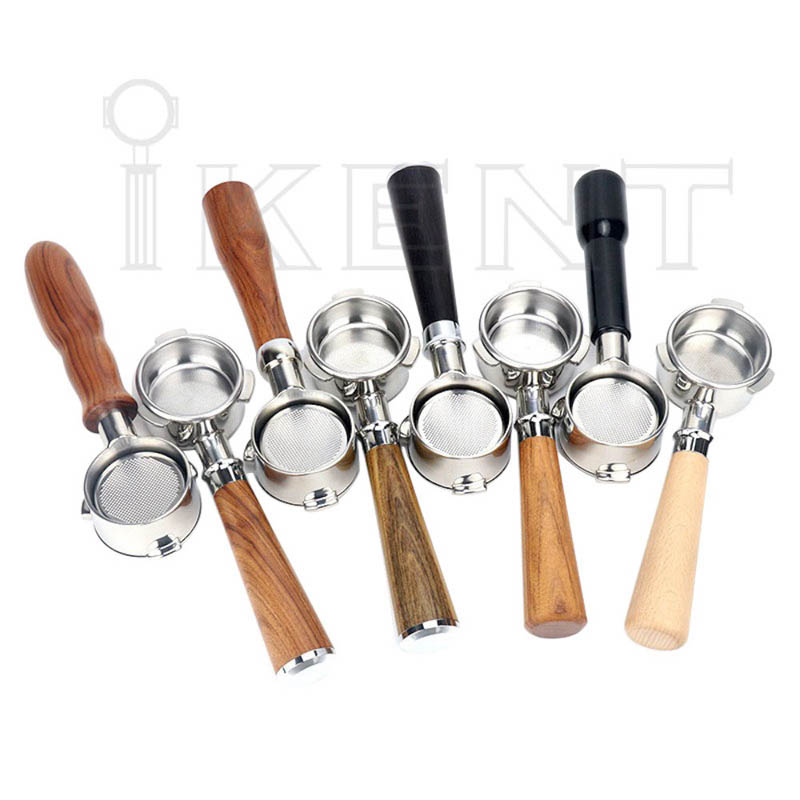
Browse the full Ikentcoffee Milk Pitcher Jug Stainless Steel range for sizes, finishes and OEM options.
Let’s Build Something Together
The coffee world keeps demanding quality, functional accessories. Partner with iKentcoffee to offer tools that perform and represent your brand proudly. From manual coffee grinders, espresso tampers and coffee canisters to milk pitchers and full coffee sets — we provide OEM & ODM solutions with low MOQ and stable supply.
👉 Contact us today to discuss wholesale, customization, or to request a sample.
💭 Jiangmen Aika Houseware Co., LTD
💭 Jiangmen Zhenhua Hardware & Plastic Factory
We look forward to the opportunity to collaborate with you!
WhatsApp: +86 13426845305
E-mail: kaelyn@ikentcoffee.com
Website: www.ikentcoffee.com


Leave A Comment