
Almost every brewing problem a home coffee drinker has can be traced to one of four variables: grind size, water temperature, contact time, and the ratio of coffee to water. Devices differ enormously in looks and ritual, and remarkably little in underlying mechanics. Once those four dials make sense, every method becomes easier to diagnose – including ones you have never used.

What brewing actually is
Brewing is dissolving flavour out of ground coffee into water. Compounds dissolve at different rates: acids and fruity aromatics come out first, sweetness follows, and the heavier, drier, more bitter compounds arrive last. Every cup is therefore a snapshot of how far extraction went before you drank it.
Three outcomes are possible. Under-extracted – water did not pull enough out, leaving sour, salty, thin coffee. Well extracted – acids, sweetness and body in balance. Over-extracted – too much dissolved, giving bitterness and a drying finish.
Nearly every adjustment that follows is a way of nudging extraction one direction or the other.
Dial one: grind size
Grind determines surface area, and surface area determines how fast flavour comes out. Finer means more surface area and faster extraction; coarser means slower.
Rough ranges: espresso is fine and powdery; drip and pour-over sit medium; French press is coarse and granular; cold brew is coarsest of all, since it compensates for hours of contact time.
But here is the part that matters more than the number on the dial – consistency. A grind that mixes dust and coarse fragments simultaneously over-extracts the dust while under-extracting the rest, which is why no technique can rescue a blade-ground brew. Burrs shear beans at a fixed gap into a narrow size band; that predictability is what makes adjustment meaningful. This is the same reason our notes on hand burr grinders put so much weight on the burr.
Dial two: water
Water is roughly 98% of what is in the cup, so it deserves more attention than it usually gets. Two things matter: quality and temperature.
Quality. Filtered water without strong mineral or chemical character is the target. Very hard water dulls acidity and leaves scale in equipment; heavily softened or distilled water extracts flatly. If tap water tastes fine to drink, it is usually fine to brew with.
Temperature. Generally 90-96 C. Hotter water extracts faster, which is why increasing temperature is one way to fix sour coffee, and lowering it helps bitterness. If there is no thermometer, boil and then wait roughly 30-60 seconds – a reliable habit that lands in the right band.
Dial three: time
Each method has a natural window determined by how water meets the grounds. Espresso runs about 25-30 seconds under pressure. Pour-over typically two to four minutes. French press around four minutes before separating. Cold brew takes twelve hours or more.
Time interacts with grind, so they are never adjusted independently by accident. Finer grind plus the same contact time means more extraction; finer grind with shorter time can come out roughly where you started. That interplay is exactly why the standard advice is to change one variable at a time.
Dial four: ratio
Ratio governs strength and (to a degree) how forgiving the brew is. Around 1:16 – one gram of coffee to sixteen grams of water – suits most filter methods and is a reasonable starting point for anything unfamiliar.
Methods differ meaningfully here, though. Espresso sits near 1:2. A press pot often works well around 1:15. Cold brew concentrates are commonly built much stronger and diluted afterwards.
Weighing rather than scooping removes the single largest source of inconsistency in home brewing, because beans vary in density and a scoop of one roast is not the same amount as another.
Diagnosing a cup
Taste first, then change exactly one thing:
Sour, thin, salty, finishes fast – under-extracted. Grind finer, increase time slightly, or raise temperature. Check the ratio too: too little coffee for the water produces a thin result regardless.
Bitter, dry, harsh, hollow after swallowing – over-extracted. Grind coarser, shorten contact time, or lower the temperature.
Muddy, silty, uneven body – usually a grind consistency problem rather than a recipe problem. The brew may also be carrying too many fines, which Finer filters or coarser settings address.
Flat and dull, hard to describe – often stale coffee rather than a brewing fault. Beans past their aromatic peak cannot be rescued by adjusting anything – storage and grinding-to-order are what help, not technique.
Keeping notes without making it tiresome
Two-thirds of improvement comes simply from changing one thing at a time and remembering what happened. A note on the bag – date, grind setting, ratio, and one line about taste – takes ten seconds and turns guesswork into something cumulative. When something tastes genuinely good, write down enough to repeat it.
Frequently asked questions
Which variable should a beginner adjust first?
Ratio, because it is easy to control precisely by weighing and it has a large, obvious effect. Once it is reliable, use grind for fine-tuning and temperature sparingly.
Do expensive brewers make better coffee?
They make control easier and results more repeatable, largely through better temperature stability and more even flow. They do not improve a bad recipe – a dialled-in basic brewer generally beats an expensive one used carelessly.
Why does the same coffee taste different week to week?
Usually either the beans aged or something in the routine shifted. Both are fixed the same way: weigh everything, note the settings, and only change one thing at a time.
Kettles for slow, steady pours

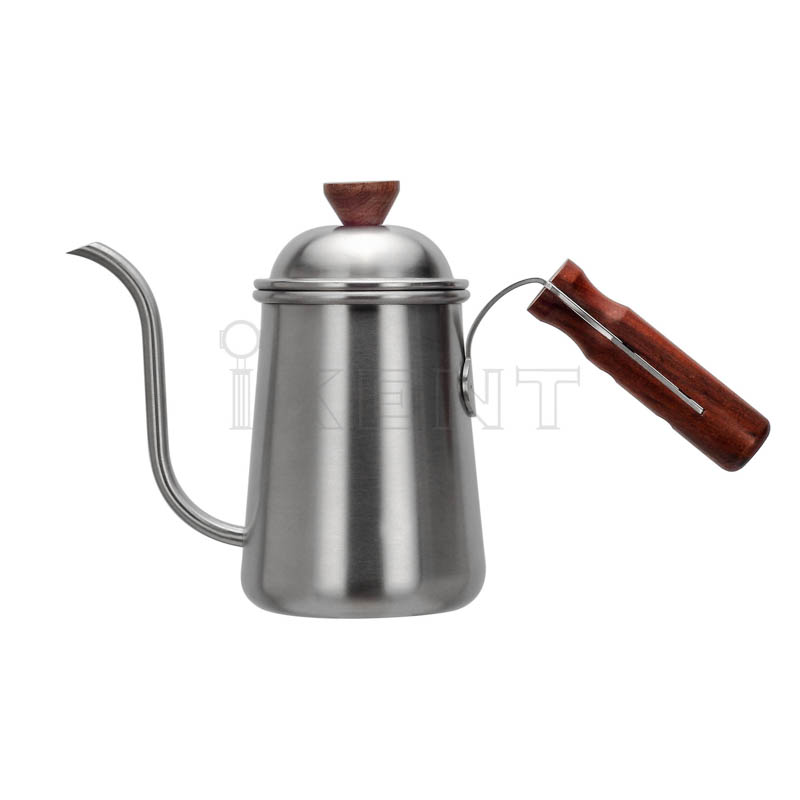

Browse the full Kettle Pot range for sizes, finishes and OEM options.
Let’s Build Something Together
The coffee world keeps demanding quality, functional accessories. Partner with iKentcoffee to offer tools that perform and represent your brand proudly. From manual coffee grinders, espresso tampers and coffee canisters to milk pitchers and full coffee sets — we provide OEM & ODM solutions with low MOQ and stable supply.
👉 Contact us today to discuss wholesale, customization, or to request a sample.
💭 Jiangmen Aika Houseware Co., LTD
💭 Jiangmen Zhenhua Hardware & Plastic Factory
We look forward to the opportunity to collaborate with you!
WhatsApp: +86 13426845305
E-mail: kaelyn@ikentcoffee.com
Website: www.ikentcoffee.com

Leave A Comment